The Guardian Europe
leftREPORTHundreds of Russian strikes across Ukraine kill at least 14 people – video
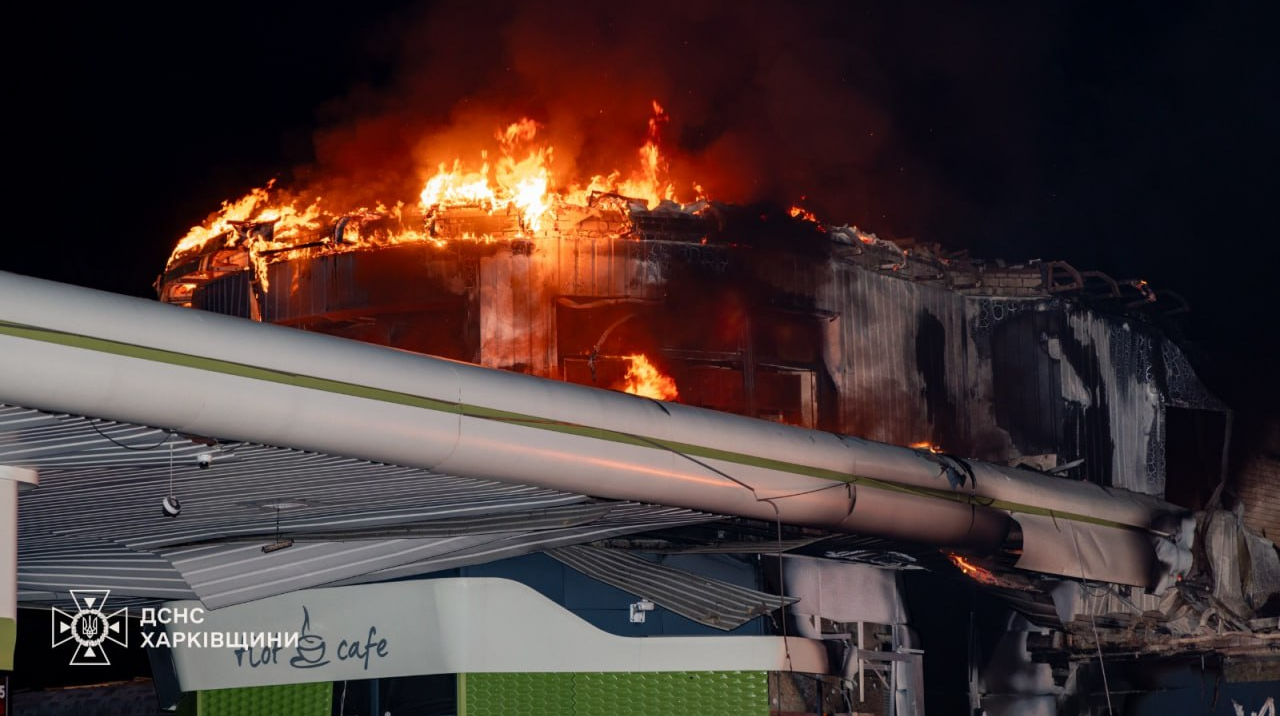
Russia launched 73 missiles and 656 drones at Ukraine overnight, according to the Ukrainian air force, including eight hypersonic Tsirkon missiles. The main targets were Kyiv, Dnipro, Zaporizhzhia, Poltava and Kharkiv.
Full BriefGenerated 24d ago
What Happened
Russia launched a large-scale overnight strike campaign against Ukraine, firing 73 missiles and 656 drones according to the Ukrainian air force. The barrage included eight hypersonic Tsirkon missiles and targeted five major Ukrainian cities: Kyiv, Dnipro, Zaporizhzhia, Poltava, and Kharkiv. Ukrainian authorities reported at least 14 people killed in the strikes, though casualty figures in active conflict zones are often preliminary and subject to revision as damage assessments continue.
Key Actors
- ·Russian Armed Forces(Military forces of the Russian Federation)Conducted the multi-city strike campaign using a combination of cruise missiles, hypersonic missiles, and unmanned aerial vehicles.
- ·Ukrainian Air Force(Air defense and aviation branch of the Ukrainian Armed Forces)Provided the official count of incoming Russian projectiles and coordinated air defense response across targeted regions.
- ·Ukrainian regional authorities(Local government officials in Kyiv, Dnipro, Zaporizhzhia, Poltava, and Kharkiv oblasts)Reported casualty figures and coordinated emergency response in the five targeted cities.
Why It Matters
The scale of this strike—656 drones and 73 missiles including advanced Tsirkon hypersonics—represents one of the largest single-night Russian aerial campaigns of the war and demonstrates Moscow's continued capacity to conduct mass strikes despite Western sanctions on its defense industrial base. The geographic spread across five major cities, including the capital Kyiv and critical industrial centers like Dnipro and Zaporizhzhia, indicates an attempt to overwhelm Ukrainian air defenses through volume and simultaneity. The deployment of Tsirkon hypersonic missiles, which are difficult to intercept, signals Russia's willingness to expend advanced munitions as the conflict enters its third year. Such large-scale infrastructure and population-center strikes typically precede or accompany ground offensives, suggesting potential coordination with ongoing Russian operations in eastern Ukraine.
Watch For
Monitor Ukrainian air defense effectiveness reports and interception rates for this strike, particularly against the Tsirkon missiles, as these figures will indicate the resilience of Ukraine's layered air defense network. Watch for damage assessments to critical infrastructure—especially energy facilities in the targeted cities—as winter approaches and Russia historically intensifies strikes on power generation. Track whether this strike pattern repeats in coming nights, which would signal a renewed Russian campaign of sustained aerial bombardment. Observe any announced Western responses, including potential acceleration of promised air defense system deliveries or changes to restrictions on Ukrainian use of long-range Western weapons against launch sites in Russian territory.
Generated 24d ago · Based on full articleAuto-Compiled
This page aggregates and summarizes reporting from The Guardian Europe. The Conflict Pulse does not author original reporting. Read the original source for full coverage.
CONFLICT OVERVIEW
Ukraine–Russia
Latest verified updates on Russia’s war in Ukraine, frontline shifts, drone warfare, Western support, occupied territories, and ceasefire diplomacy.
Active since February 2014
SOURCE PERSPECTIVES
How outlets across the bias spectrum are covering this conflict.
LATEST FROM UKRAINE–RUSSIA