
DW News
centerREPORTHow viable is the potential Iran-Oman Hormuz shipping deal?
Full BriefGenerated 63d ago
What Happened
On August 7, 2026, Iran's Foreign Ministry spokesperson Esmail Baghaei stated that an agreement with Oman on a navigation route through the Strait of Hormuz is in the 'final stage' of review, with geographical coordinates already agreed. Deputy Foreign Minister Kazem Gharibabadi characterized the arrangement as a temporary new model for maritime traffic lasting 2-4 months, not a full reopening. Iran insists the route would be conditioned on an end to the US naval blockade, payment of safe-passage fees by vessels, and the exclusion of US and Israeli ships. Oman has not publicly commented and reportedly did not support unilateral Iranian control. Analysts cited by Reuters and Deutsche Welle expressed skepticism, citing US sanctions and insurance restrictions as obstacles, and warned that any deal may be a tactical pause rather than a durable settlement.
Key Actors
- ·Iran(State actor)Claims the deal is near completion; demands end to US naval blockade, exclusion of US and Israeli ships, and fees for safe passage; presents the route as a temporary model to secure its interests.
- ·Oman(State actor on opposite side of the Strait of Hormuz)Has not publicly commented on the reported agreement; reportedly did not support Iranian unilateral control over the waterway.
- ·United States(Counterparty imposing naval blockade and sanctions on Iran)Seeks completely free passage; maintains naval blockade and sanctions that Iran says create insecurity; faces pressure from Congressional Republicans to end the conflict before November 2026 midterm elections.
Why It Matters
The Strait of Hormuz is a vital choke point for global oil shipments. The potential deal, even if temporary, would test Iran's ability to extract concessions and reshape maritime traffic rules, while the US seeks to maintain freedom of navigation. Deep discord over control versus open passage underscores a protracted geopolitical standoff, with implications for energy markets and regional stability.
Watch For
Official confirmation or denial from Oman; US administration's reaction; whether a 2-4 month temporary route is implemented and what enforcement mechanisms accompany it; potential impact on oil prices and insurance markets; any linkage to broader Iran-US negotiations or IAEA developments; and Congressional pressure on the Trump administration ahead of midterm elections.
Generated 63d ago · Based on full articleAuto-Compiled
NO IMAGE AVAILABLEDW News
DAILY BRIEFING
Follow Iran
Get a daily briefing with the most critical developments from every active conflict zone. Concise. Verified. Free.
No spam. Unsubscribe anytime. Verified sources only.
This page aggregates and summarizes reporting from DW News. The Conflict Pulse does not author original reporting. Read the original source for full coverage.
CONFLICT OVERVIEW
Iran
Latest verified updates on Iran’s regional confrontation, U.S.–Israeli strikes, missile retaliation, proxy networks, sanctions, and Strait of Hormuz risks.
MORE REPORTING ON THIS REGION
Recent reporting from this region. These stories may cover different events.
LATEST FROM IRAN

DEVELOPINGAl Jazeera11h ago
Is Trump signalling a return to war with Iran after the midterms?

REPORTMiddle East Eye12h ago
Iranian human rights official says legal efforts under way over Minab attack
REPORTThe Guardian Middle East12h ago
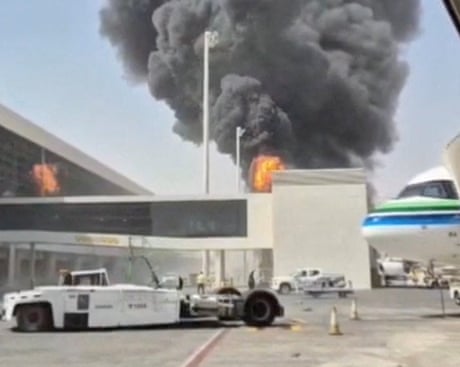
Three Saudis killed in Riyadh airport attack claimed by Houthis
REPORTMiddle East Eye15h ago
Morning update

REPORTAl Jazeera16h ago
Trump says US will not strike Iran before midterm elections
REPORTMiddle East Eye16h ago