LIVE
The Conflict Pulse
· · VERIFIED SOURCES
All RegionsUkraine–RussiaIranIsrael–PalestineLebanonSudan / DarfurUnited StatesMyanmarEthiopia / TigrayVenezuela
Middle East Eye
centerREPORT

How to stop US-Iran conflict from becoming endless war

Submitted by Seyed Hossein Mousavian on Mon, 07/20/2026 - 16:16 The only credible path forward lies in diplomacy, which must focus on reopening the Strait of Hormuz and securing a nuclear agreement People walk past a mural that depicts missiles hitting an aircraft carrier, amid the US-Israeli war on Iran, in Tehran on 26 May 2026 (Atta Kenare/AFP) Off The 14-point memorandum of understanding signed between Iran and the US in June appeared to offer the most significant diplomatic opening between

Full BriefGenerated 105d ago
What Happened
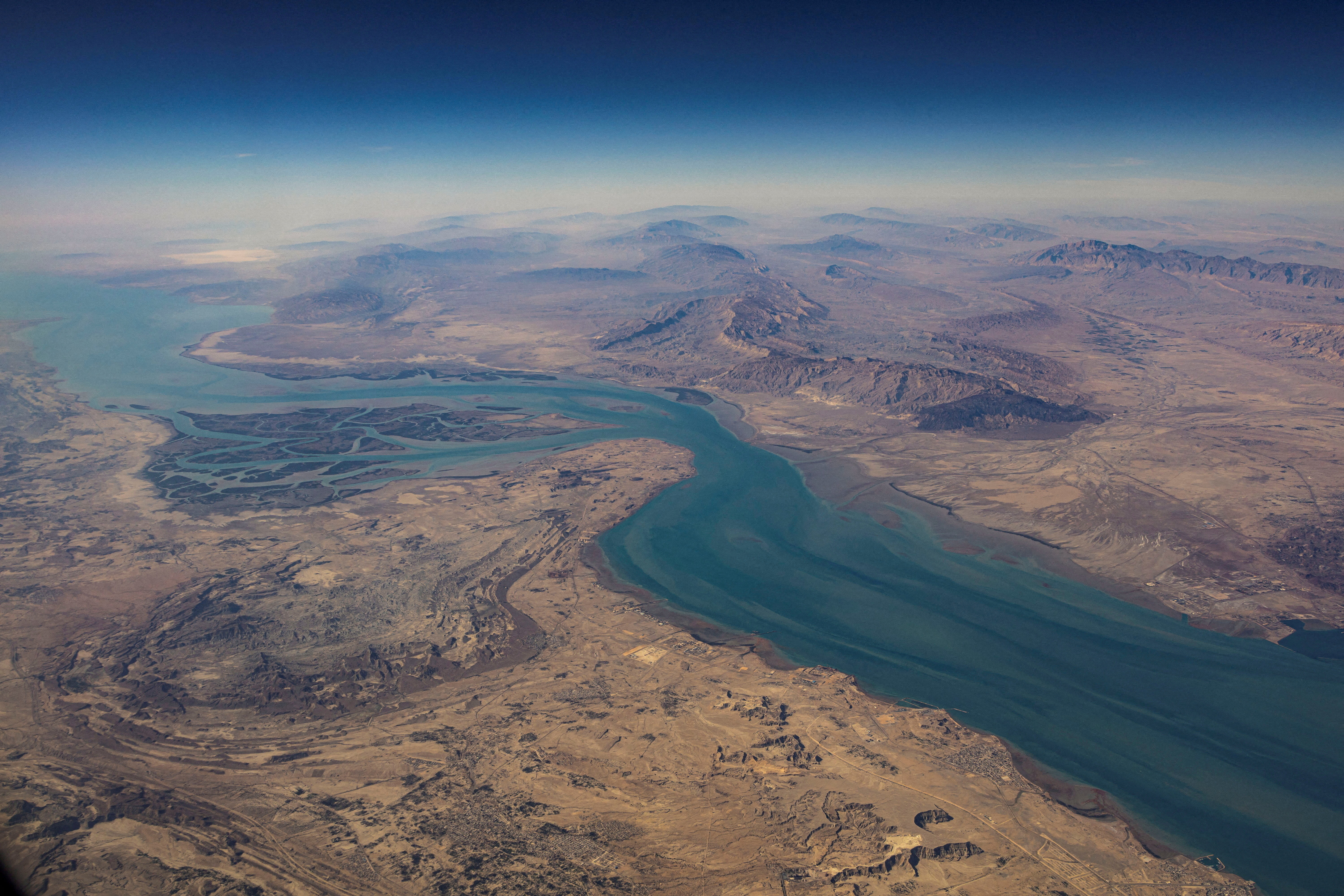
A 14-point memorandum of understanding signed between Iran and the US in June offered a diplomatic opening, but renewed military confrontation quickly overwhelmed it. Over the past two weeks, direct US-Iran clashes disrupted maritime traffic in the Strait of Hormuz, contributing to a surge in oil prices—Brent crude reached over $88 a barrel on Friday. The US reimposed a blockade of Iranian ports in the Strait, while President Trump discussed potentially 'taking over' Kharg Island and supporting cross-border operations by Kurdish armed groups. Iran responded by mobilising one million fighters to defend Kharg Island and targeting what it said were US bases, aircraft, and radar systems in Kuwait, Oman, Syria, Jordan, Bahrain, and Qatar. Iran also claimed to have struck an American command centre in Syria’s al-Tanf in retaliation for US strikes. On Monday, the Iran-backed Houthis declared a naval embargo against Saudi Arabia, widening the conflict. US Vice President JD Vance publicly argued that the US has no strategic interest in an endless war and that diplomacy—focused on reopening the Strait of Hormuz and a nuclear deal—is essential.
Key Actors
  • ·
    United States(Primary belligerent under President Donald Trump)Reimposed a blockade on Iranian ports, discussed seizing Kharg Island, and shifted to a prolonged attrition campaign against Iran, while Vice President Vance advocated for diplomacy.
  • ·
    Iran(State actor resisting US military pressure)Mobilised one million fighters to defend Kharg Island and claimed strikes on US bases across six regional states, seeking to regionalise the costs of war.
  • ·
    Ansar Allah (Houthis)(Iran-aligned Yemeni armed group)Declared a naval embargo against Saudi Arabia, threatening wider disruption of Red Sea shipping as part of Iran’s pressure campaign.
  • ·
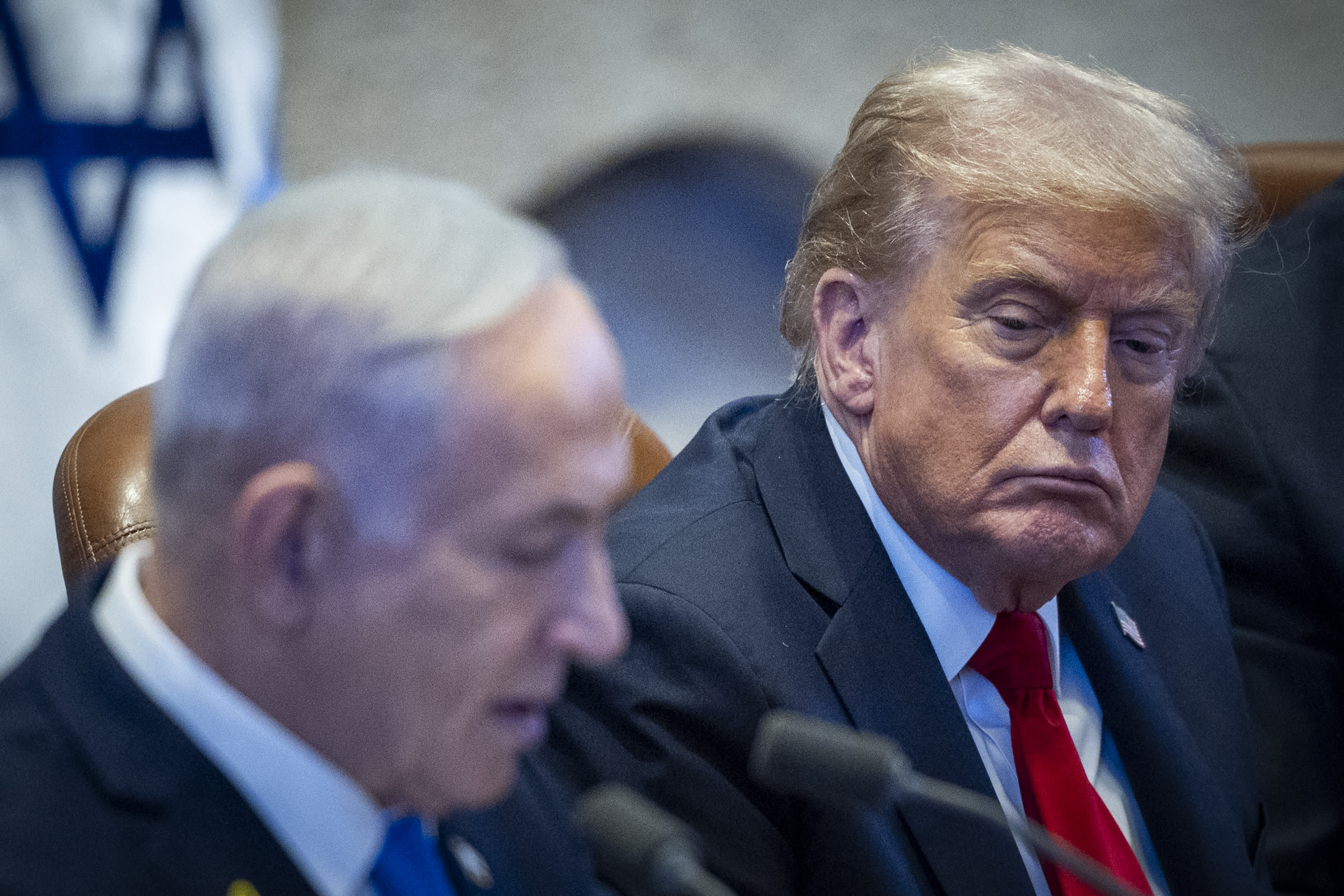
    JD Vance(US Vice President)Publicly called for diplomacy, arguing against endless war and criticising efforts by some Israeli elements to derail US-Iran negotiations.
Why It Matters
The intensifying US-Iran clashes risk spiralling into a protracted regional war that could paralyse critical maritime chokepoints (Strait of Hormuz and Bab el-Mandeb), spike global energy prices, and draw in multiple state and non-state actors. The conflict has evolved into a war of attrition with no clear military solution, while internal US policy debates and Iranian mobilisation underscore the urgency of a diplomatic off-ramp to avoid a catastrophic, economically damaging stalemate.
Watch For
Whether the US and Iran pursue a new maritime security framework and nuclear negotiations, as urged by Vice President Vance; any Houthi escalation in the Red Sea; further disruptions to Hormuz shipping; domestic US political pressure on the Trump administration; and potential Israeli efforts to influence or undermine diplomacy.
Generated 105d ago · Based on full article
Auto-Compiled
How to stop US-Iran conflict from becoming endless war
DAILY BRIEFING

Follow Iran

Get a daily briefing with the most critical developments from every active conflict zone. Concise. Verified. Free.

No spam. Unsubscribe anytime. Verified sources only.

This page aggregates and summarizes reporting from Middle East Eye. The Conflict Pulse does not author original reporting. Read the original source for full coverage.
READ ORIGINAL

Iran

Latest verified updates on Iran’s regional confrontation, U.S.–Israeli strikes, missile retaliation, proxy networks, sanctions, and Strait of Hormuz risks.

Recent reporting from this region. These stories may cover different events.

VIEW ALL IRAN COVERAGE →