
Al Jazeera
centerREPORTHow severe is Russia’s energy shortage because of Ukrainian strikes?
Full BriefGenerated 100d ago
What Happened
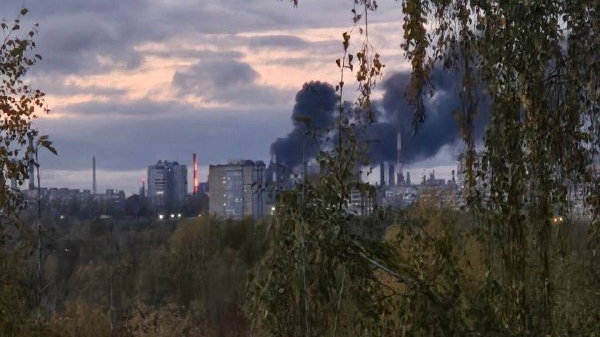
Ukrainian long-range drone strikes have intensified attacks against Russian energy infrastructure, targeting oil refineries, gas processing plants, and oil storage sites. President Vladimir Putin publicly acknowledged the impact on 30 March 2025, stating that Ukrainian strikes caused fuel rationing, queues at petrol stations, and disruption for drivers and businesses. He called for 'systemic measures' to defend civilian infrastructure. Specific recent targets include: the Norsi oil refinery (Russia's fourth-largest, suspended operations after a drone attack near Kstovo, Nizhny Novgorod, 450 km east of Moscow), the Orenburg gas processing plant (45 bcm/year capacity, near Kazakhstan border, over 1,200 km from the front), oil facilities in Kerch (Crimea), the port of Kavkaz, and the Slavyansk and Yaroslavl refineries (300–700 km from the front). Ukrainian President Volodymyr Zelenskyy said the attacks provide 'fewer resources serving Russia’s war machine.' Analysts report that the majority of Russian regions have imposed limits on petrol and diesel sales, some gas stations closed or have 12-hour queues, and panic buying is exacerbating shortages. The strikes have particularly targeted fluid catalytic cracking units, which are difficult to replace. Damage is expected to disrupt the July–August harvest season and raise inflation, though military logistics remain prioritised and regime stability is not immediately threatened.
Key Actors
- ·Ukrainian Armed Forces(Military force conducting drone strikes on Russian energy infrastructure)Targeting Russian refineries, gas plants, and oil storage to reduce fuel supply available to the Russian war effort.
- ·President Vladimir Putin(President of the Russian Federation)Acknowledged fuel rationing and called for systemic measures to protect civilian infrastructure from drone attacks.
- ·President Volodymyr Zelenskyy(President of Ukraine)Asserted that the strikes weaken Russia’s ability to wage war by reducing resources for its military machine.
Why It Matters
The drone campaign directly degrades Russia’s main source of export revenue and war funding, triggering domestic fuel shortages, panic buying, and agricultural disruption. While the Kremlin is likely to prioritise military logistics over civilian needs, protracted strain on the energy sector could erode public tolerance, increase inflation, and complicate the long-term sustainment of Russia’s war effort.
Watch For
Monitor for further Ukrainian strikes on Russian refineries and energy hubs, especially as the harvest season approaches. Watch for new Russian air-defence deployments or hardening measures around critical infrastructure, any extension of fuel rationing to military logistics, and signs of domestic political or economic fallout from price rises or agricultural shortfalls. Also track statements from NATO allies on the legality or strategic effect of the campaign.
Generated 100d ago · Based on full articleAuto-Compiled

DAILY BRIEFING
Follow Ukraine–Russia
Get a daily briefing with the most critical developments from every active conflict zone. Concise. Verified. Free.
No spam. Unsubscribe anytime. Verified sources only.
This page aggregates and summarizes reporting from Al Jazeera. The Conflict Pulse does not author original reporting. Read the original source for full coverage.
CONFLICT OVERVIEW
Ukraine–Russia
Latest verified updates on Russia’s war in Ukraine, frontline shifts, drone warfare, Western support, occupied territories, and ceasefire diplomacy.
Active since February 2014
MORE REPORTING ON THIS REGION
Recent reporting from this region. These stories may cover different events.
LATEST FROM UKRAINE–RUSSIA

DEVELOPINGBBC Asia6h ago
South Korea recalls Ukraine envoy over prisoner-of-war row
DEVELOPINGUkrainska Pravda6h ago
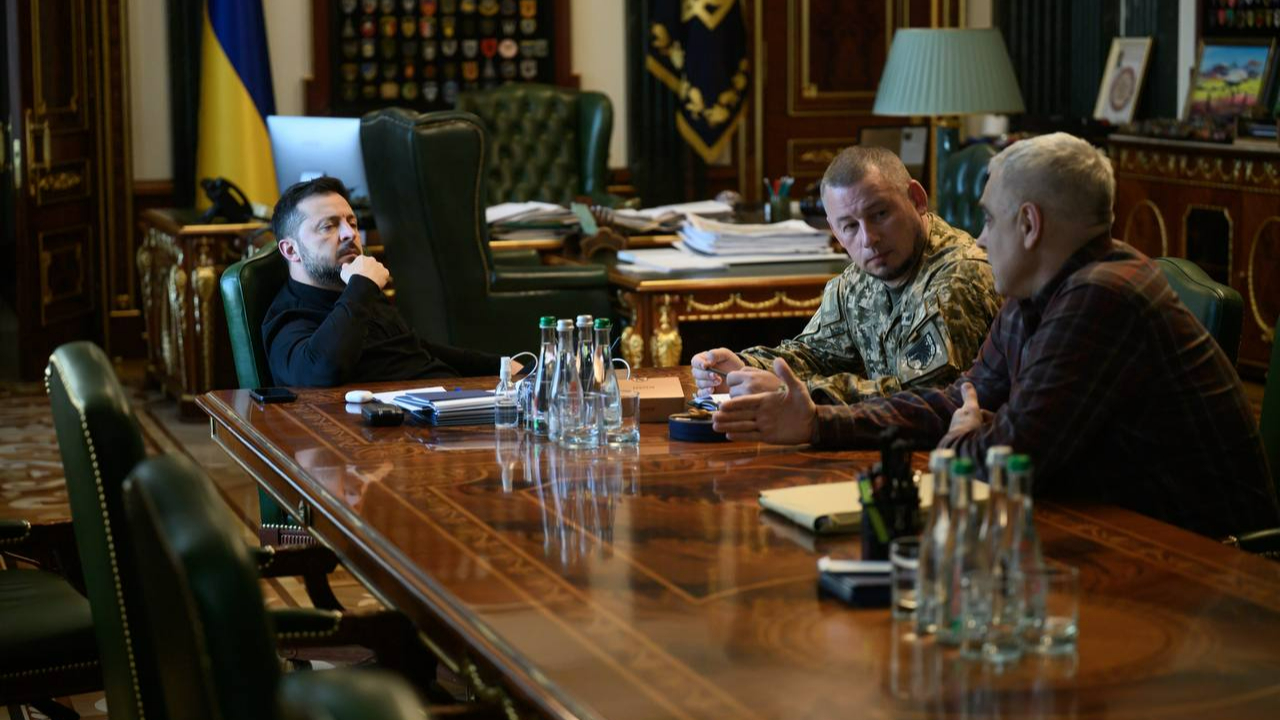
Zelenskyy: We are preparing our responses to this wave of Russian escalation
DEVELOPINGUkrainska Pravda7h ago
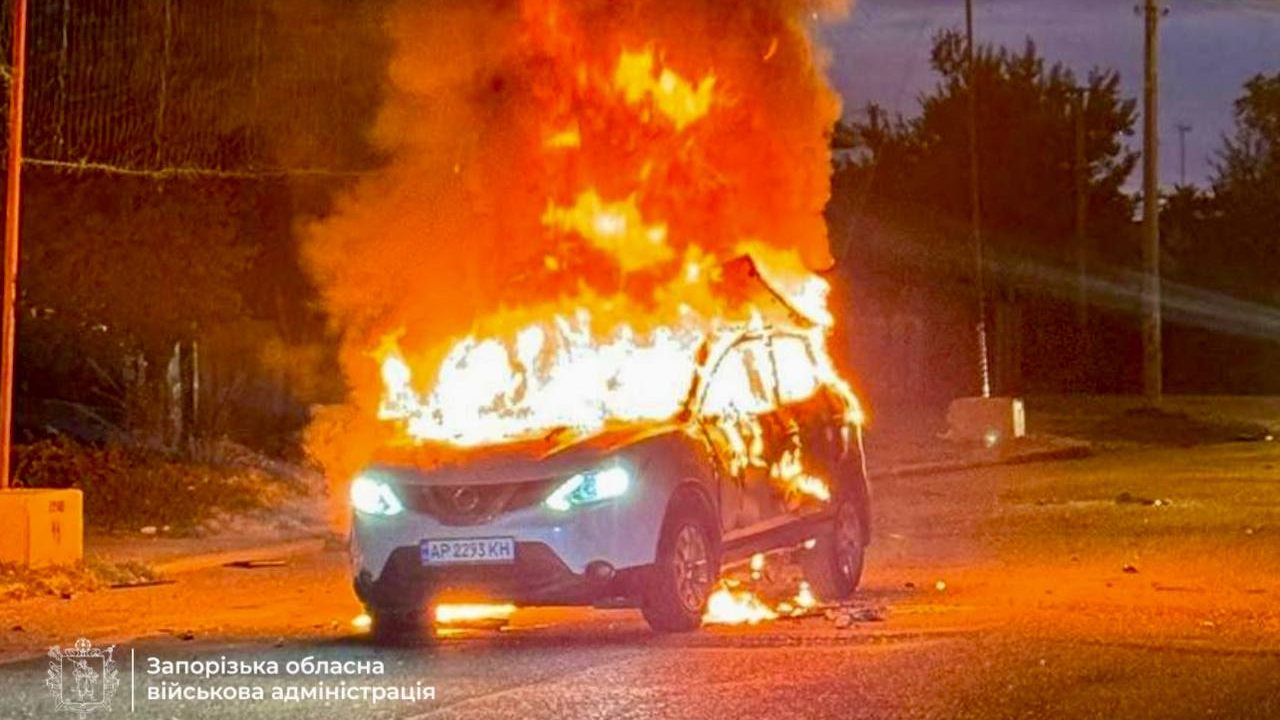
Russian attack on Zaporizhzhia kills driver and injures three adults and two children
DEVELOPINGUkrainska Pravda7h ago
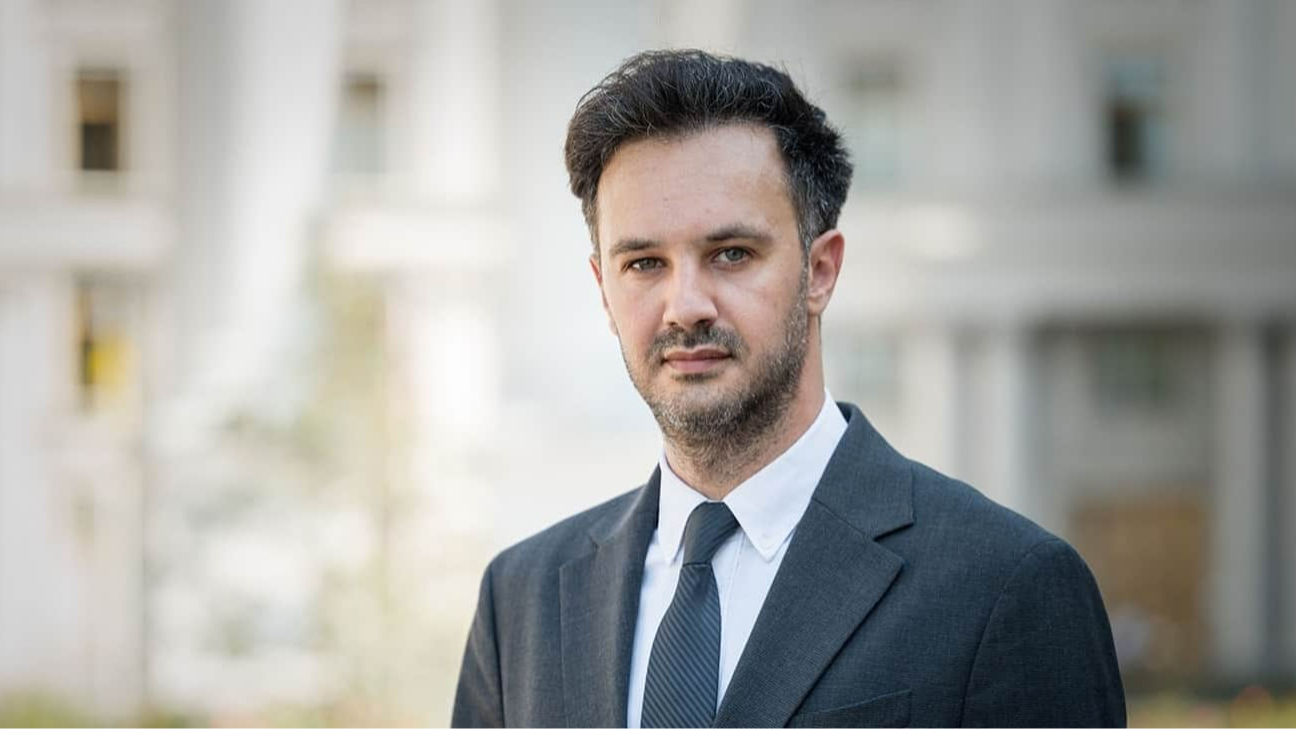
Ukrainian Foreign Ministry on recall of South Korean ambassador: Ukraine is open to resuming dialogue
DEVELOPINGUkrainska Pravda7h ago
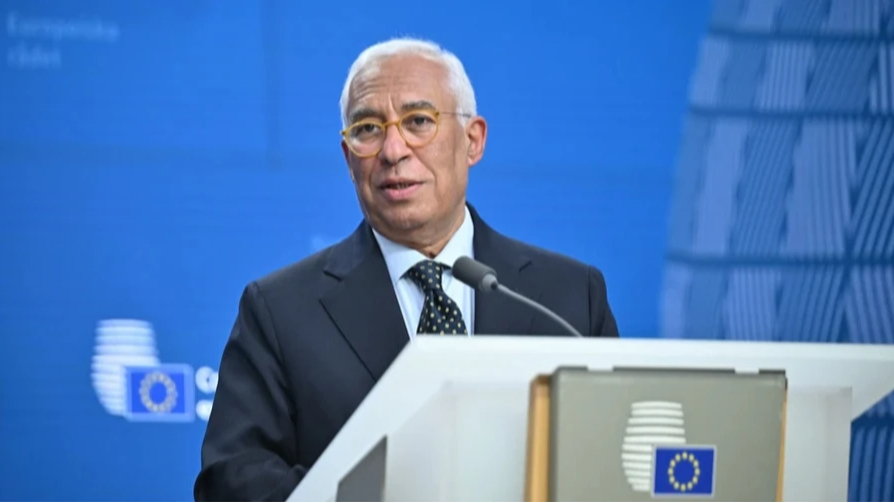
European Council president invites Zelenskyy to EU leaders' summit
DEVELOPINGUkrainska Pravda8h ago