LIVE
The Conflict Pulse
· · VERIFIED SOURCES
All RegionsIranUkraine–RussiaIsrael–PalestineLebanonSudan / DarfurUnited StatesMyanmarEthiopia / TigrayVenezuela
Middle East Eye
centerREPORT

How loyalty between Iran and Kuwait gave way to mistrust

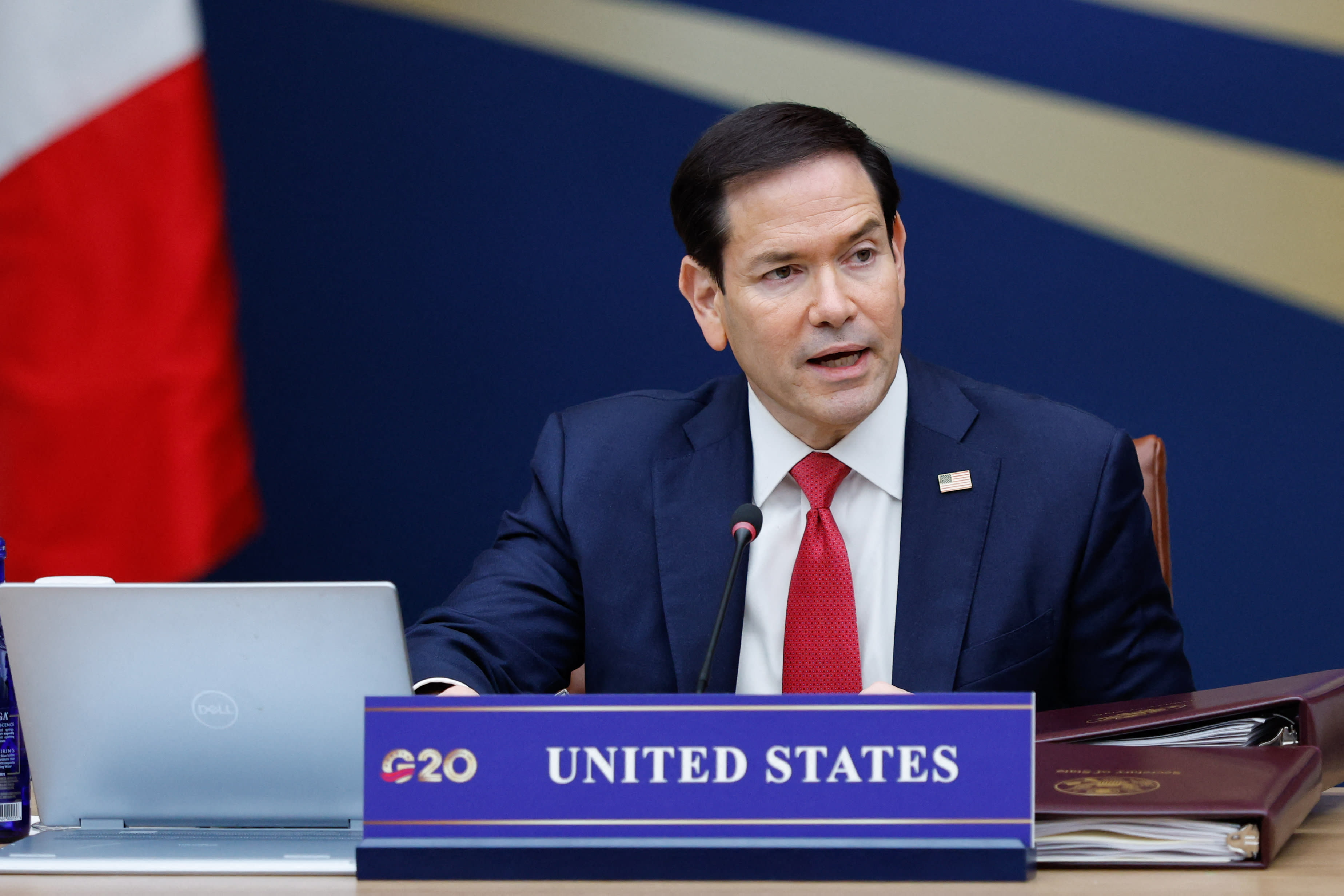
Submitted by Amara Sophia Elahi on Mon, 08/03/2026 - 09:55 From hosting Kuwaiti refugees during the Gulf War to exchanging accusations over US military bases, the relationship has undergone repeated shifts US Secretary of State Marco Rubio with Kuwait's Crown Prince Sheikh Sabah Khaled al-Hamad al-Sabah at Bayan Palace in Kuwait City, 24 June 2026 (Eric Lee/Pool/AFP) Off When Iran’s Ministry of Foreign Affairs spokesperson, Esmaeil Baghaei, accused Kuwait of being “part of the fire of the wicked

Full BriefGenerated 89d ago
What Happened
Iran's Foreign Ministry spokesperson, Esmaeil Baghaei, accused Kuwait of being 'part of the fire of the wicked' on social media last week, marking a sharp deterioration in the previously amicable relationship between the two countries. The comments referenced Iran's historical support for Kuwait during the Gulf War, while U.S. military bases in Kuwait reportedly came under fire from Iranian missiles. Kuwait's defense ministry spokesperson denied that the U.S. had launched strikes from its territory and condemned the Iranian actions as 'criminal aggression.' The article traces the ebb and flow of ties, from Kuwait's backing of Iraq during the 1980–1988 Iran–Iraq War to Iran's post–Gulf War assistance, including hosting refugees and sending a 47-person team to cap 28 burning oil wells.
Key Actors
  • ·
    Esmaeil Baghaei(Iranian Ministry of Foreign Affairs spokesperson)Accused Kuwait of ingratitude and warned it was 'part of the fire of the wicked' while Iranian missiles targeted U.S. bases on its soil.
  • ·
    Kuwaiti Defense Ministry spokesperson(Defense ministry spokesperson for Kuwait)Denied that the U.S. had launched strikes from Kuwaiti bases and described Iran's missile attacks as 'criminal aggression.'
Why It Matters
The breakdown signals a potential realignment in Gulf geopolitics, as Iran's willingness to directly strike U.S. assets in Kuwait—and publicly berate its government—overrides decades of diplomatic goodwill. Kuwait's perceived complicity could draw it deeper into the Iran–U.S.–Israel shadow war, testing its balancing act between Washington and Tehran and potentially fracturing the fragile détente Iran has maintained with Gulf Arab neighbors.
Watch For
Monitor whether Iran escalates kinetic or rhetorical pressure on Kuwait, including further missile or drone attacks targeting U.S. installations. Watch for Kuwait's diplomatic countermeasures, such as expelling Iranian diplomats or reinforcing its air defenses, and any U.S. retaliatory strikes or policy shifts regarding its military posture in Kuwait. Regional mediation efforts by Oman or other Gulf states may also emerge.
Generated 89d ago · Based on full article
Auto-Compiled
How loyalty between Iran and Kuwait gave way to mistrust
DAILY BRIEFING

Follow Iran

Get a daily briefing with the most critical developments from every active conflict zone. Concise. Verified. Free.

No spam. Unsubscribe anytime. Verified sources only.

This page aggregates and summarizes reporting from Middle East Eye. The Conflict Pulse does not author original reporting. Read the original source for full coverage.
READ ORIGINAL

Iran

Latest verified updates on Iran’s regional confrontation, U.S.–Israeli strikes, missile retaliation, proxy networks, sanctions, and Strait of Hormuz risks.

Recent reporting from this region. These stories may cover different events.

VIEW ALL IRAN COVERAGE →