
The Guardian Middle East
leftDEVELOPINGHouthis threaten to attack shipping tankers if they use Saudi Arabian ports on Red Sea
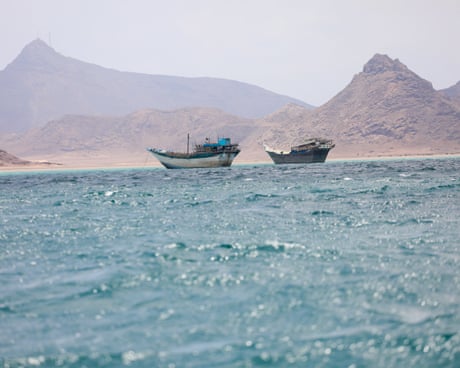
Warning to shipping companies, on top of Iran’s chokehold on strait of Hormuz, may severely affect Saudi oil exportsMiddle East crisis live – latest updatesYemen’s Iranian-aligned Houthis have warned shipping companies that their tankers risk being attacked if they use Saudi Arabian ports, as the militia moved quickly to enforce a blockade announced the previous day. The Houthi warning for the Red Sea, coming on top of Iran’s threat to shipping on the other side of the Arabian peninsular in the
Live BriefGenerated 3h ago
Story Developing — Brief Reflects Events Through 3h ago
What Happened
Yemen’s Houthi movement warned shipping companies that tankers using Saudi Arabian ports in the Red Sea risk being attacked, enforcing a blockade announced on April 7, 2025. Two oil tankers loaded with Saudi crude for China and India made U-turns away from the Houthi-controlled coast at the mouth of the Red Sea on Tuesday, and the Houthis claimed six ships changed course. The threat comes amid a 10th day of renewed fighting between the US and Iran, with US Central Command targeting Iranian military command centres, missile sites, and air defence systems, and Iran striking Jordan and Kuwait. President Trump vowed the US would ‘take care of business’ if the Houthis followed through, while diplomats explored a possible 10-day ceasefire.
Key Actors
- ·Houthis(Yemeni armed group aligned with Iran)Threatened to attack shipping tankers using Saudi Arabian ports in the Red Sea, enforcing a naval blockade.
- ·United States(Military and diplomatic power)President Trump said the US would ‘take care of business’ if threats are followed through; US military continues strikes on Iran-linked targets.
- ·Iran(State sponsor of the Houthis)Backs Houthi threats and has launched attacks on US allies including Jordan and Kuwait, while signaling possible diplomatic overtures.
- ·Saudi Arabia(Target of Houthi blockade)Its oil export routes are directly threatened, with tankers diverting from the Red Sea.
Why It Matters
The Houthi threat to Saudi oil shipments through the Bab el-Mandeb strait—a chokepoint for 7% of global maritime traffic—risks major disruption to energy markets, compounding Iran’s parallel pressure on the Strait of Hormuz. It escalates the proxy conflict between Iran and the US/Saudi coalition, demonstrating Tehran’s ability to weaponise non-state allies to widen a blockade strategy. This could trigger a more direct US military response, further destabilising regional security and global trade.
Watch For
Monitor shipping movements and insurance rates in the Red Sea for immediate impact. Watch for any formal Houthi clarification of targeting criteria or attacks on vessels. Track US military responses and diplomatic signals, especially the reported consideration of a 10-day ceasefire. Observe whether Iran escalates or seeks de-escalation through the Oman backchannel or Pakistan mediation. Also note any retaliatory strikes on Saudi infrastructure.
Generated 3h ago · Based on full articleAuto-Compiled
This page aggregates and summarizes reporting from The Guardian Middle East. The Conflict Pulse does not author original reporting. Read the original source for full coverage.
CONFLICT OVERVIEW
Iran
Latest verified updates on Iran’s regional confrontation, U.S.–Israeli strikes, missile retaliation, proxy networks, sanctions, and Strait of Hormuz risks.
SOURCE PERSPECTIVES
How outlets across the bias spectrum are covering this conflict.
LATEST FROM IRAN
DEVELOPINGIran International1h ago
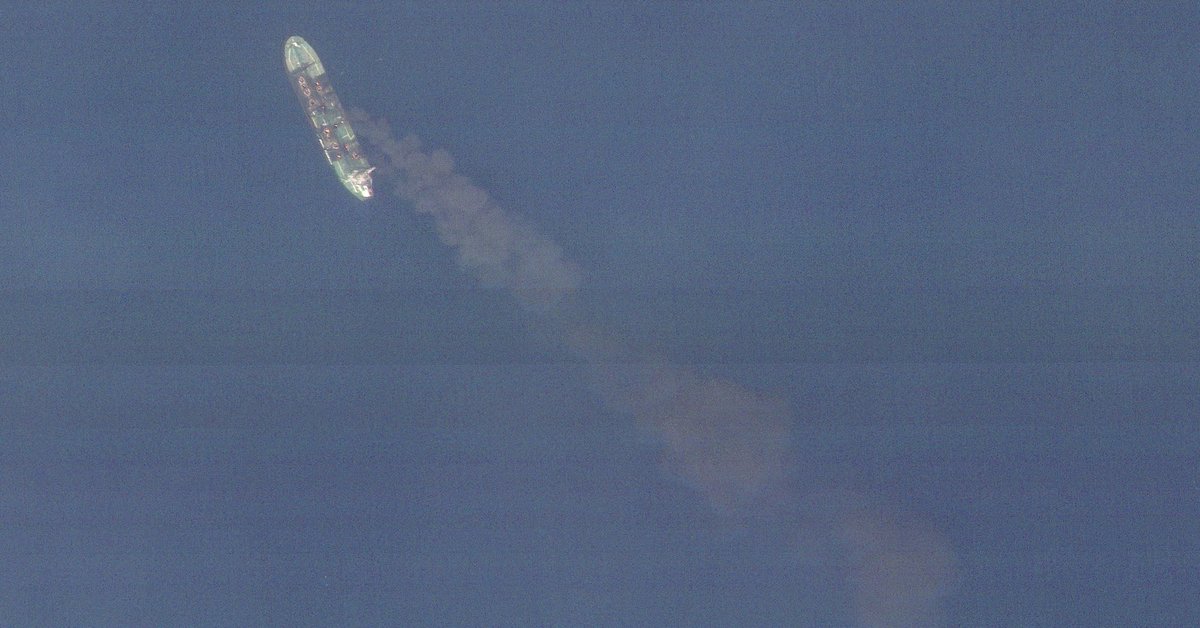
After Hormuz, are Iran-backed Houthis closing another vital strait?

DEVELOPINGJerusalem Post — Iran News2h ago
Why Pickaxe Mountain could become Iran’s next nuclear flashpoint - analysis
DEVELOPINGIran International3h ago
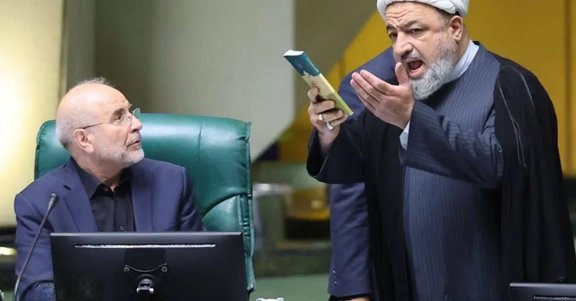
Hardliner accuses Ghalibaf of paving way for coup through US deal

DEVELOPINGJerusalem Post — Iran News4h ago
French diplomats were detained for breaking Iran's laws, Araghchi tells France FM Barrot in call
DEVELOPINGBBC US & Canada4h ago
US launches fresh strikes on Iran, as Trump warns of retaliation for deaths of soldiers
DEVELOPINGBBC Middle East6h ago