
Jerusalem Post — Iran News
rightREPORTHormuz agreement requires ships to coordinate with Iran while on Omani side, sources tell 'Post'
Full BriefGenerated 87d ago
What Happened
Two diplomatic sources told The Jerusalem Post on Wednesday that a temporary 60-day agreement between Iran and Oman requires ships transiting the Strait of Hormuz to coordinate with Iran even when exiting from the Omani side. Under the deal, ships must enter the strait on the Iranian side and exit from the Omani side. Over the 60 days, mines will be cleared from the central sections, mostly on the Omani side. The sources added that no mandatory fees will be charged, but vessels may pay voluntary 'insurance, environmental quality fees,' with Iran likely to emphasize the benefit of such payments. Negotiations for a permanent solution and nuclear talks are set to continue during this period.
Key Actors
- ·Iran(State party to the agreement)Requires ship coordination on its side of the strait and is expected to encourage voluntary fee payments.
- ·Oman(State party to the agreement)Facilitates the exit route on its side and mine-clearance operations, mediating between Iran and international shipping.
Why It Matters
The Strait of Hormuz handles a significant portion of the world's oil trade, and any regulatory or security friction there risks global economic disruption and military escalation. This temporary accord creates a predictable framework, reducing immediate flashpoints while the mine-clearing component hints at prior covert activity. The voluntary fee mechanism could become a point of contention if Iran pressures shippers, linking maritime security to its broader economic leverage in parallel nuclear negotiations.
Watch For
In the coming 60 days, monitor whether shipping companies adhere to the mandated routes and whether Iran attempts to compel voluntary fee payments. Watch for statements from Oman's foreign ministry, maritime insurers, and the International Maritime Organization. The parallel nuclear talks mean that any progress or breakdown in Vienna or Oman-mediated backchannels could directly affect the permanent Hormuz agreement. Any mine detonations or IRGC naval interdictions would signal the deal's fragility.
Generated 87d ago · Based on full articleAuto-Compiled

DAILY BRIEFING
Follow Iran
Get a daily briefing with the most critical developments from every active conflict zone. Concise. Verified. Free.
No spam. Unsubscribe anytime. Verified sources only.
This page aggregates and summarizes reporting from Jerusalem Post — Iran News. The Conflict Pulse does not author original reporting. Read the original source for full coverage.
CONFLICT OVERVIEW
Iran
Latest verified updates on Iran’s regional confrontation, U.S.–Israeli strikes, missile retaliation, proxy networks, sanctions, and Strait of Hormuz risks.
MORE REPORTING ON THIS REGION
Recent reporting from this region. These stories may cover different events.
LATEST FROM IRAN

DEVELOPINGJerusalem Post — Iran News6h ago
Iran debating whether to maintain ban on nuclear weapons, regime's security chief Rezaei says
DEVELOPINGJerusalem Post — Iran News8h ago
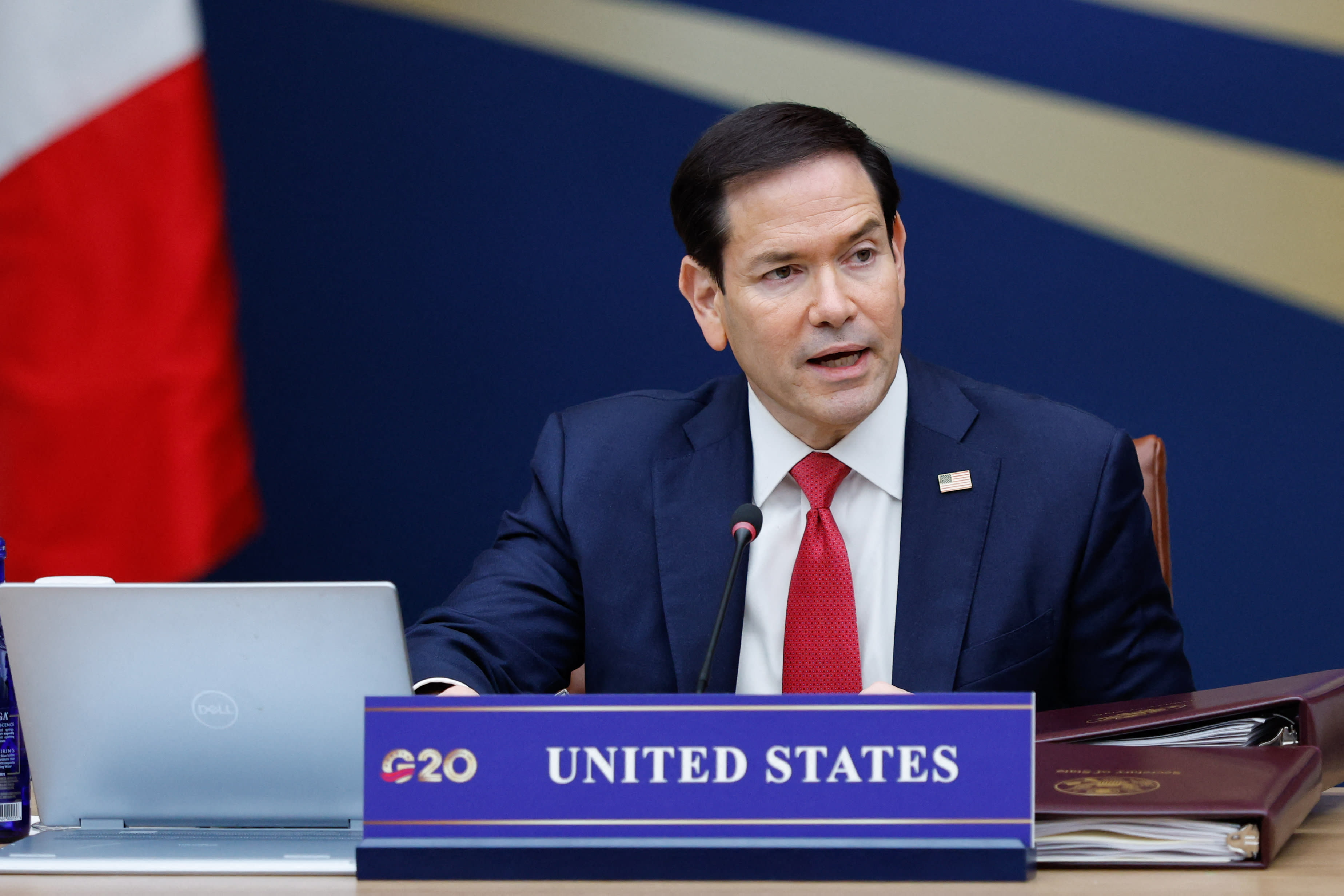
Trump 'has not made a decision' on Iran, Rubio tells press

DEVELOPINGMiddle East Eye11h ago
Trump has not decided whether to resume strikes on Iran, Rubio says
REPORTJerusalem Post — Iran News12h ago
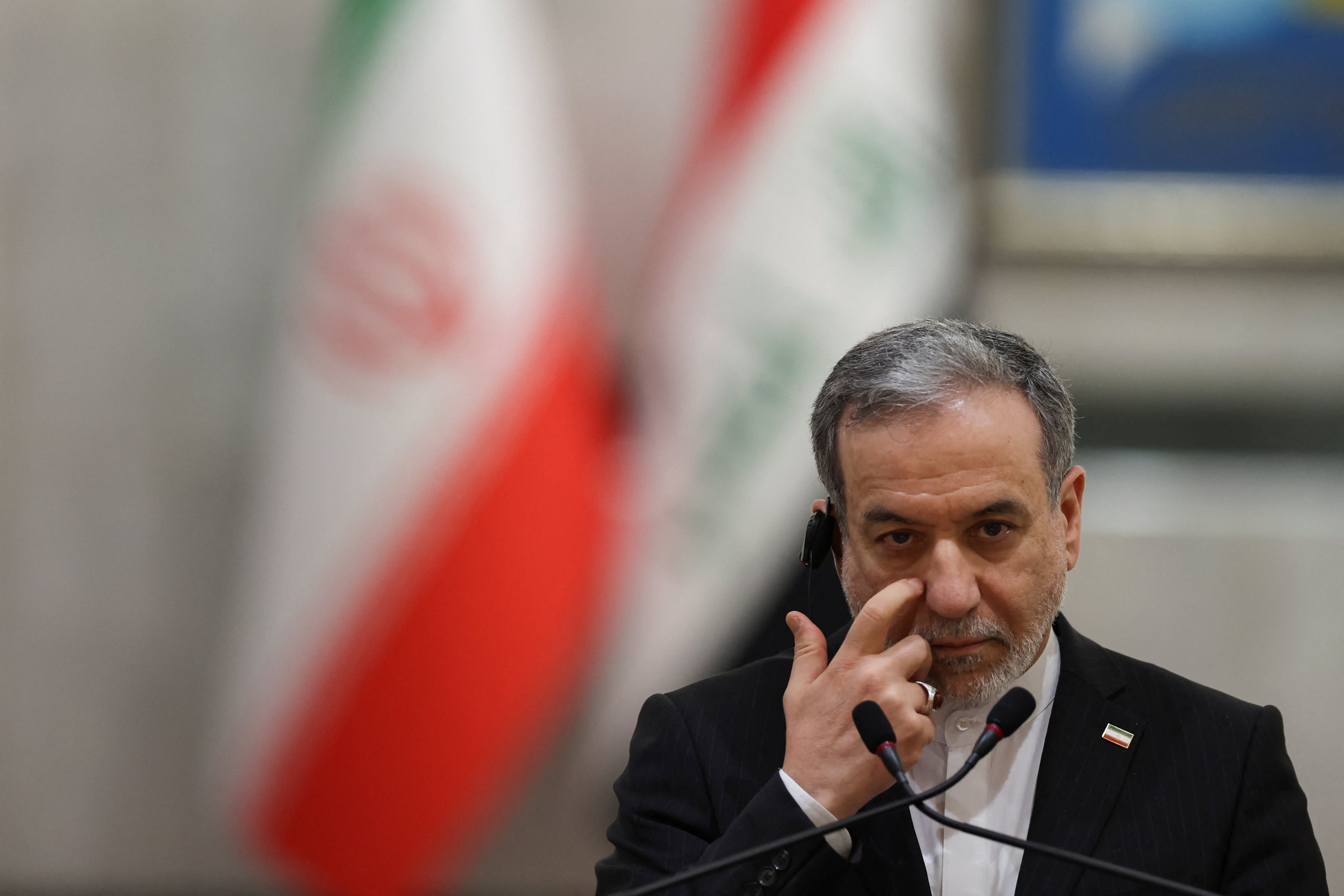
Araghchi says Vance's letter 'positive step' toward opening dialogue between Iran, US
REPORTMiddle East Eye12h ago
Araghchi says Iran prepared for war as Tehran sets conditions for Hormuz reopening

REPORTAl Jazeera13h ago