BBC Africa
centerREPORTFears of a massacre in this city on the front line of Sudan's war

Full BriefGenerated 20d ago
What Happened
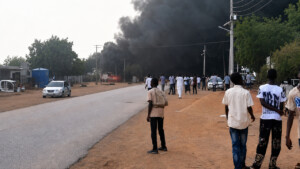
The city of el-Obeid, capital of North Kordofan and under Sudanese Armed Forces (SAF) control, has come under sustained drone strikes amid an encirclement by the Rapid Support Forces (RSF). The UN High Commissioner for Human Rights Volker Turk reported that at least 45 people were killed and 41 injured in 15 drone strikes between 6 and 28 June. The violence monitoring group ACLED recorded 27 drone strikes in June, the highest monthly total since the conflict began. Turk warned that the city, which has been under siege-like conditions for 18 months, is experiencing summary executions, abductions, torture, and sexual violence along displacement routes, calling it a potential 'human rights catastrophe'. Amnesty International Secretary-General Agnès Callamard cautioned that el-Obeid could see violence on the scale of what occurred in el-Fasher, which the UN described as bearing 'hallmarks of genocide'. The RSF denied accusations, stating it would protect residents and operate under international law. Yale Humanitarian Research Lab's Nathaniel Raymond noted satellite imagery showing damage to at least eight fuel stations consistent with bombardment between late May and late June, alongside strikes on an electrical substation, residential areas, and markets, crippling civilian infrastructure and causing fuel and water shortages.
Key Actors
- ·Rapid Support Forces (RSF)(Paramilitary group fighting the SAF)Encircling el-Obeid and accused of conducting drone strikes on fuel stations and civilian infrastructure, which it denies, claiming adherence to international law.
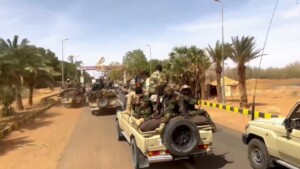
- ·Sudanese Armed Forces (SAF)(Official military of Sudan)Holding el-Obeid and attempting to maintain a vital supply corridor to the east, reinforcing positions with allied militias to repel RSF.
- ·Volker Turk, UN High Commissioner for Human Rights(UN official)Warned that el-Obeid is facing a human rights catastrophe, citing at least 45 civilians killed in June drone strikes and documenting siege-related abuses.
- ·Amnesty International(Human rights organization)Warned through its Secretary-General Agnès Callamard that el-Obeid could suffer mass violence similar to the RSF capture of el-Fasher, which the UN said had 'hallmarks of genocide'.
Why It Matters
El-Obeid's strategic location between RSF-controlled western Sudan and SAF-controlled eastern areas makes it a critical node for supply lines and control over routes to Khartoum. Its fall would sever the army's eastern corridor and could precipitate a humanitarian catastrophe on the scale of el-Fasher, where thousands were killed. The drone campaign and siege-like conditions, if unchecked, may trigger mass displacement, famine, and international accusations of war crimes.
Watch For
Monitor whether the RSF launches a full-scale ground assault on el-Obeid, intensifying drone strikes, and if the SAF can sustain its defensive corridor. Watch for further civilian casualties, waterborne disease outbreaks due to infrastructure damage, and the potential for a repeat of Darfur-style ethnic violence despite current assessments suggesting different dynamics. International responses, including UN Security Council action or ICC investigations, should also be tracked.
Generated 20d ago · Based on full articleAuto-Compiled
This page aggregates and summarizes reporting from BBC Africa. The Conflict Pulse does not author original reporting. Read the original source for full coverage.
CONFLICT OVERVIEW
Sudan / Darfur
Latest verified updates on Sudan’s SAF–RSF war, Darfur atrocities, displacement, famine risk, and diplomatic efforts.
Active since April 2023
SOURCE PERSPECTIVES
How outlets across the bias spectrum are covering this conflict.
Limited perspective coverage. Only center-leaning sources currently tracked for this region.
LATEST FROM SUDAN / DARFUR