Putin is in a ‘weaker position than ever before’, says EU’s Kallas – as it happened
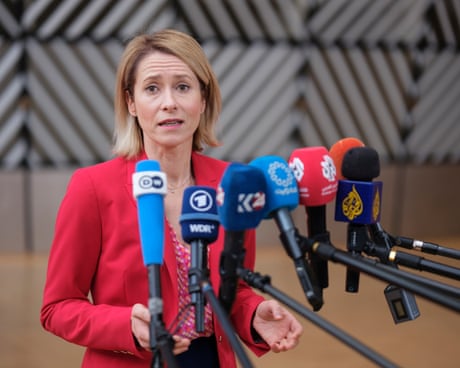
The bloc’s foreign policy chief said recent remarks from the Russian leader suggested the war may be coming to an endRussian affairs reporterThe EU on Monday dismissed Vladimir Putin’s suggestion that the Kremlin-friendly former German chancellor Gerhard Schröder could serve as a European mediator in peace talks aimed at ending the war in Ukraine. Continue reading.
- ·Kaja Kallas(EU High Representative for Foreign Affairs and Security Policy, former Estonian Prime Minister)Rejected Putin's ceasefire calls as cynical and dismissed Schröder as a potential mediator
- ·Vladimir Putin(President of the Russian Federation)Proposed ceasefire talks and suggested Gerhard Schröder as a potential mediator
- ·Gerhard Schröder(Former Chancellor of Germany (1998-2005), known for close ties to Russian energy sector)Suggested by Putin as a potential mediator for Ukraine negotiations, rejected by EU leadership
Follow Ukraine–Russia
Get a daily briefing with the most critical developments from every active conflict zone. Concise. Verified. Free.
No spam. Unsubscribe anytime. Verified sources only.
Ukraine–Russia
Latest verified updates on Russia’s war in Ukraine, frontline shifts, drone warfare, Western support, occupied territories, and ceasefire diplomacy.
Recent reporting from this region. These stories may cover different events.
This selection currently contains center-leaning sources.
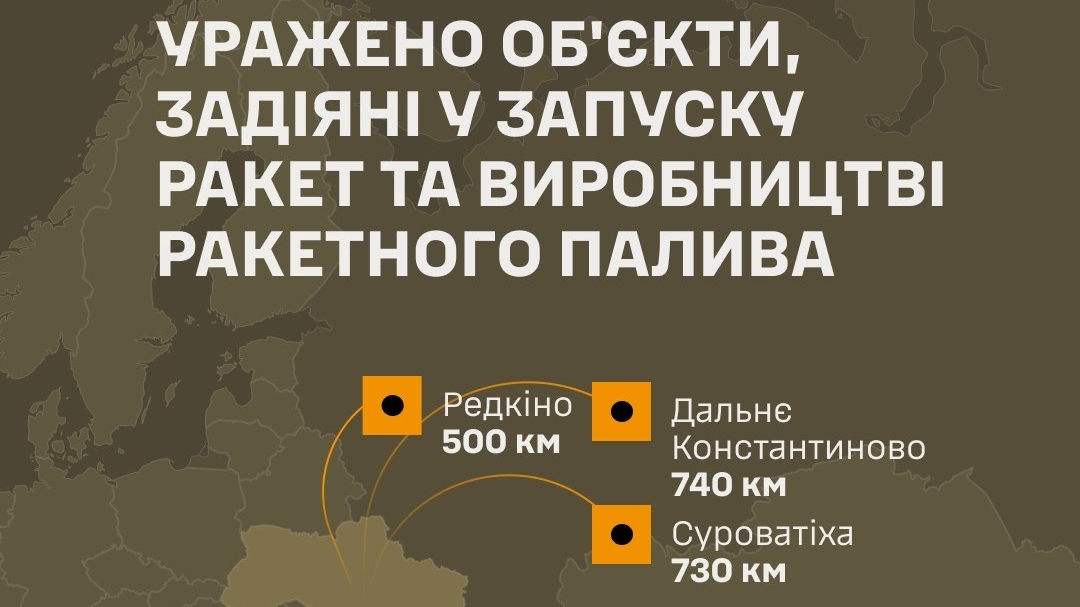
Ukrainian forces strike facilities involved in missile launches and production of fuel for Kh-101 missiles
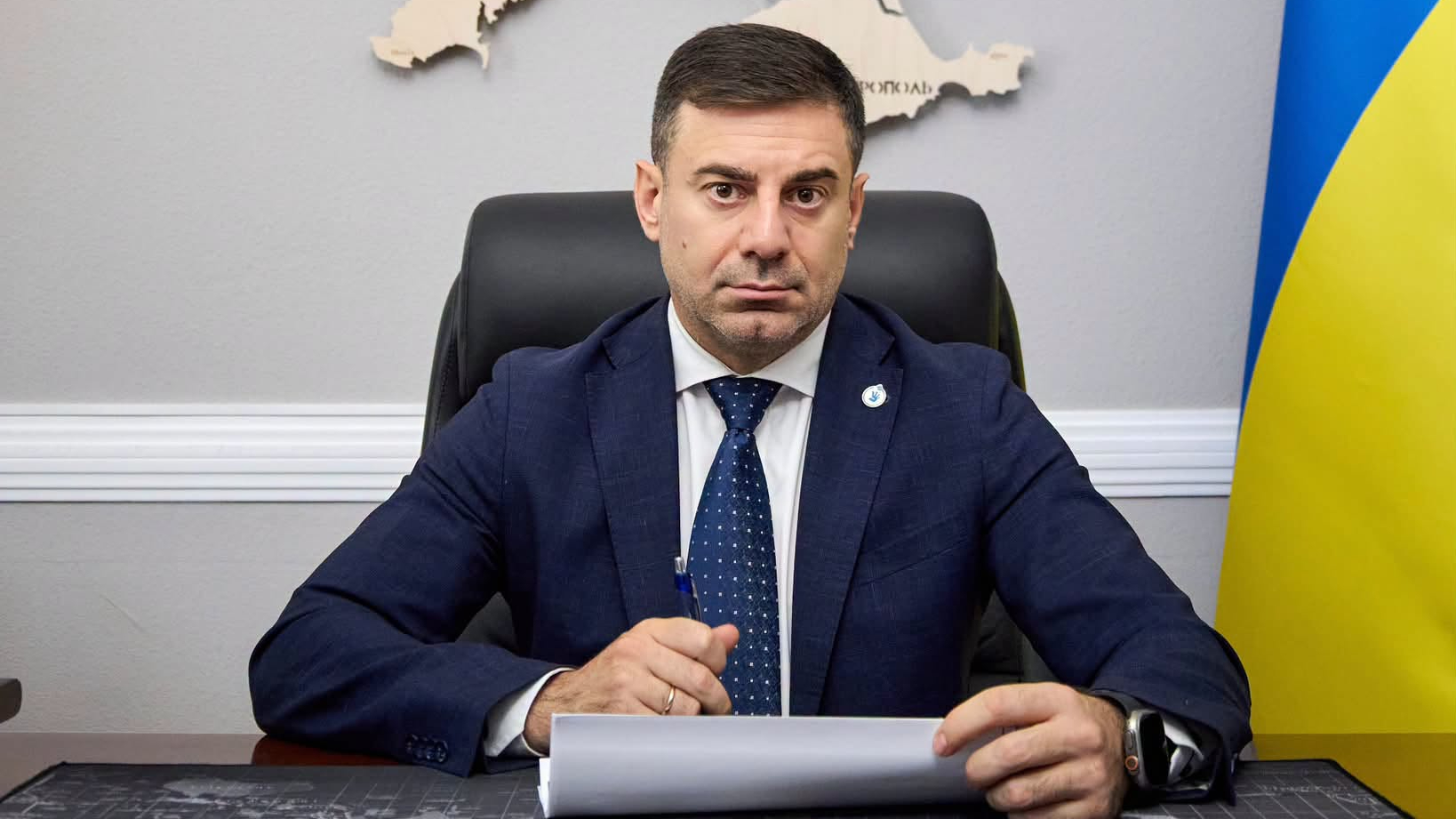
Russians forcibly remove 25 Ukrainians from Kharkiv Oblast – Ukrainian human rights commissioner

UP journalist Mykhailo Tkach released in Vienna – Foreign Ministry
Finland: The world's happiest country has a debt problem it can no longer ignore
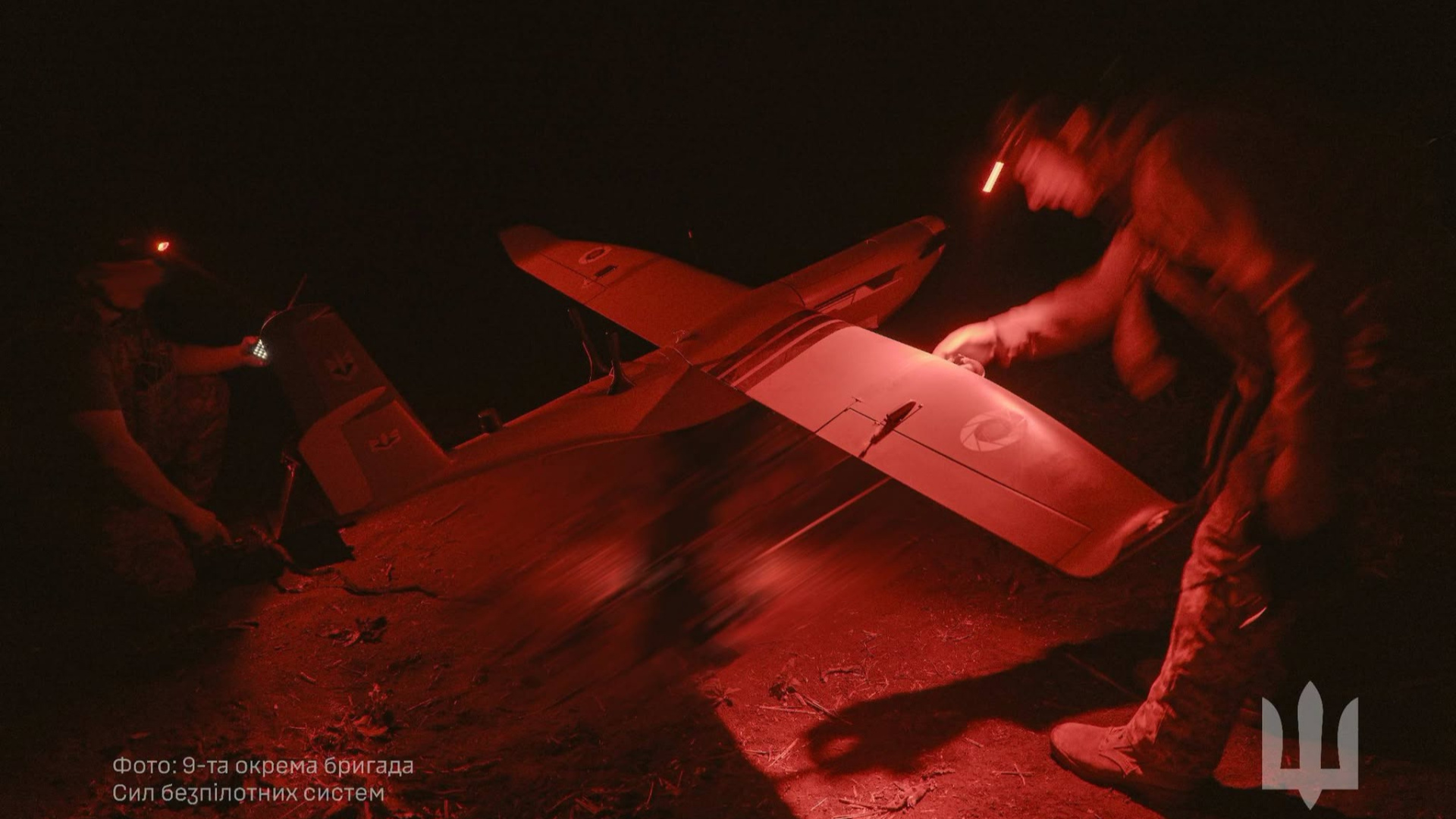
Ukraine's defence forces repel over 200 Russian assaults in past 24 hours