
The Guardian Europe
leftDEVELOPINGEU removes two oligarchs from Russia sanctions list as deadline looms
Full BriefGenerated 6h ago
What Happened
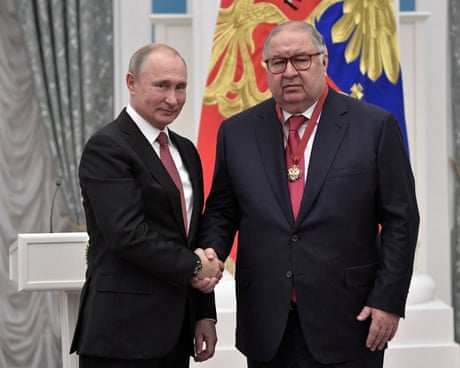
The European Union agreed before an end-of-Tuesday deadline to remove two sanctioned Russian billionaires, Alisher Usmanov and Mikhail Fridman, from its Russia sanctions list, while extending restrictions on nearly 3,000 individuals and companies accused of supporting the war in Ukraine for 36 months. The compromise followed France's request to delist Usmanov, a Russian-Uzbek national, on 'national security' grounds — reported to relate to a prisoner exchange deal involving French nationals and Azerbaijan — and Luxembourg's parallel request for Fridman, a Russian-Israeli magnate suing Luxembourg for $16bn over frozen assets. Latvia, facing parliamentary elections on 3 October, initially objected but agreed to abstain; Ireland's EU presidency, which brokered the talks, described it as a difficult compromise. Ukrainian President Volodymyr Zelenskyy said no name on the sanctions list is there by accident, and Foreign Minister Andrii Sybiha called the decision 'shameful and unjustifiable', saying Moscow is celebrating division among Europeans.
Key Actors
- ·European Union(27-member bloc)Agreed to remove Usmanov and Fridman from the sanctions list while extending restrictions on nearly 3,000 designations for 36 months.
- ·France(EU member state)Called for Usmanov's delisting on national security grounds, reportedly tied to a prisoner exchange with Azerbaijan.
- ·Luxembourg(EU member state)Requested Fridman's delisting after he sued the Grand Duchy for $16bn over frozen assets.
- ·Ukraine(Government)President Zelenskyy and Foreign Minister Sybiha condemned the delistings as unacceptable and shameful, accusing Moscow of exploiting European division.
Why It Matters
The delistings create a precedent for EU member states to weaken shared sanctions in pursuit of national interests, undermining the bloc's unanimity-based sanctions regime at a critical point in the war. The extension to 36 months is intended to increase predictability, but the compromise highlights how individual capitals can extract exemptions, potentially eroding pressure on Russian elites and military industry.
Watch For
EU foreign ministers are expected to receive about 1,600 new designations targeting individuals and entities involved in the Russian military industrial complex next month, following the difficult agreement on the EU's 21st sanctions round in July. Monitor whether other member states seek similar delistings, whether Luxembourg's arbitration over Fridman's assets advances, and whether Latvia's 3 October parliamentary election affects future sanctions votes.
Generated 6h ago · Based on full articleAuto-Compiled
This page aggregates and summarizes reporting from The Guardian Europe. The Conflict Pulse does not author original reporting. Read the original source for full coverage.
CONFLICT OVERVIEW
Ukraine–Russia
Latest verified updates on Russia’s war in Ukraine, frontline shifts, drone warfare, Western support, occupied territories, and ceasefire diplomacy.
Active since February 2014
SOURCE PERSPECTIVES
How outlets across the bias spectrum are covering this conflict.
LATEST FROM UKRAINE–RUSSIA
DEVELOPINGUkrainska Pravda7h ago
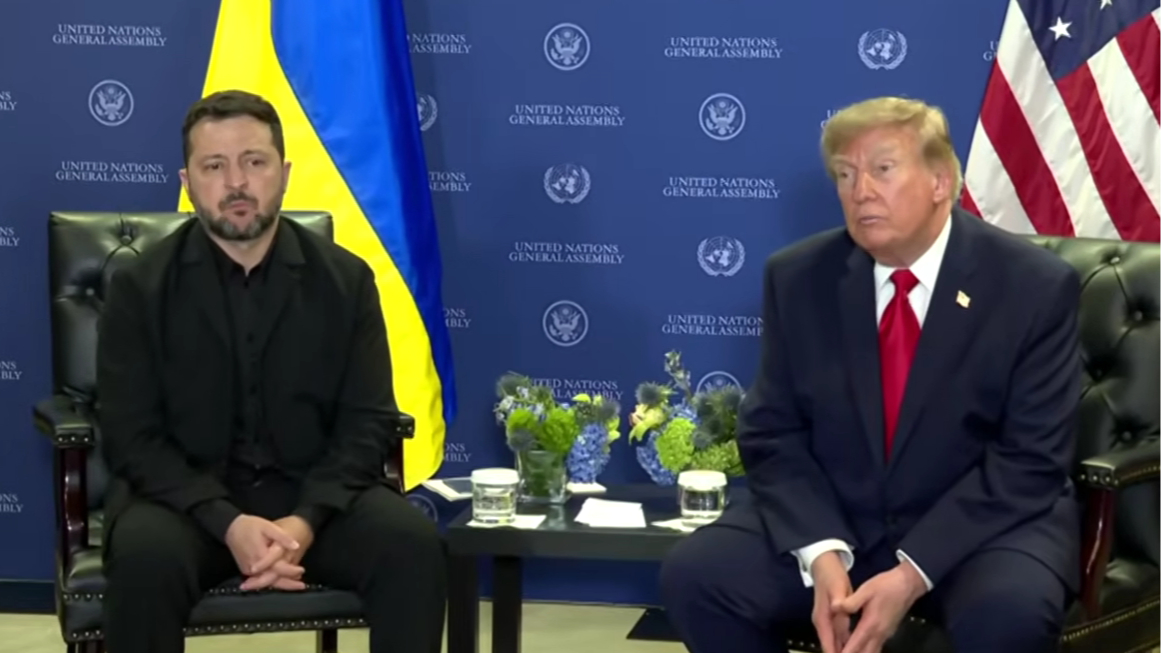
Zelenskyy hopes Trump will help end Russia’s war before winter
DEVELOPINGUkrainska Pravda8h ago
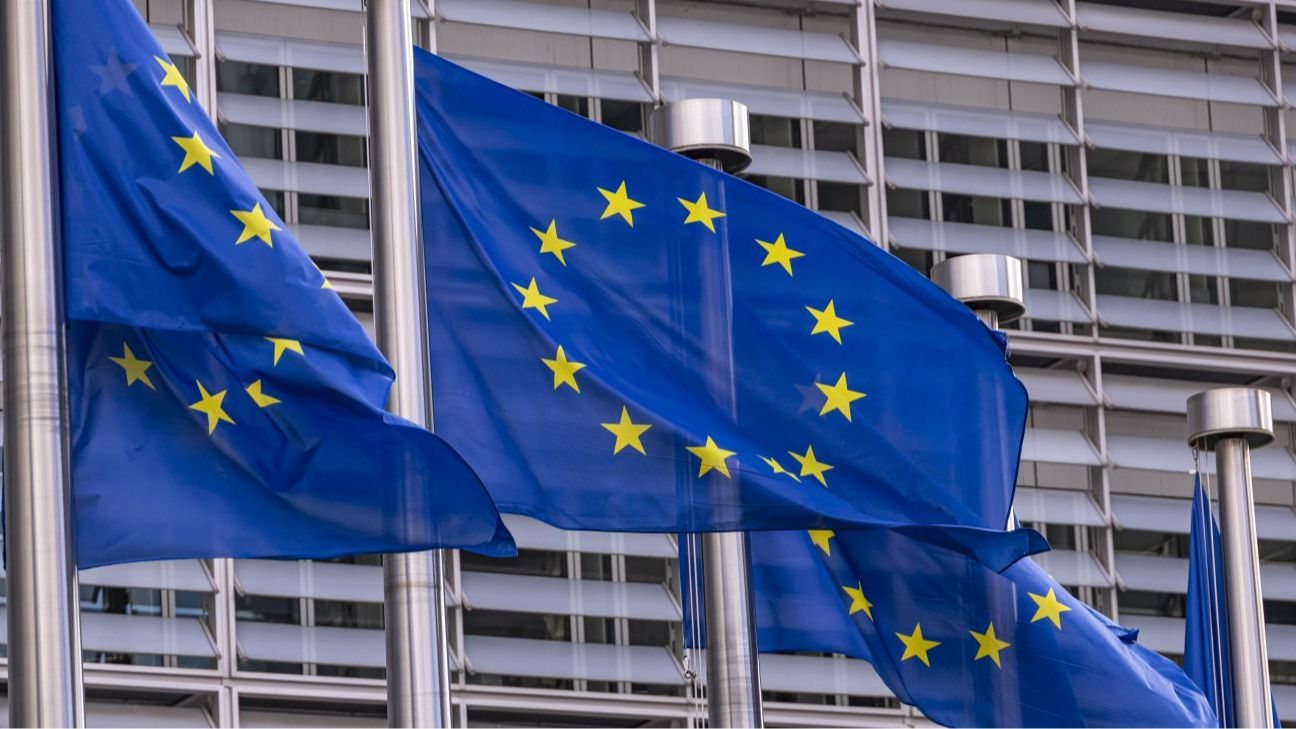
EU extends Russia sanctions for three years but removes oligarchs Fridman and Usmanov from list
DEVELOPINGUkrainska Pravda8h ago
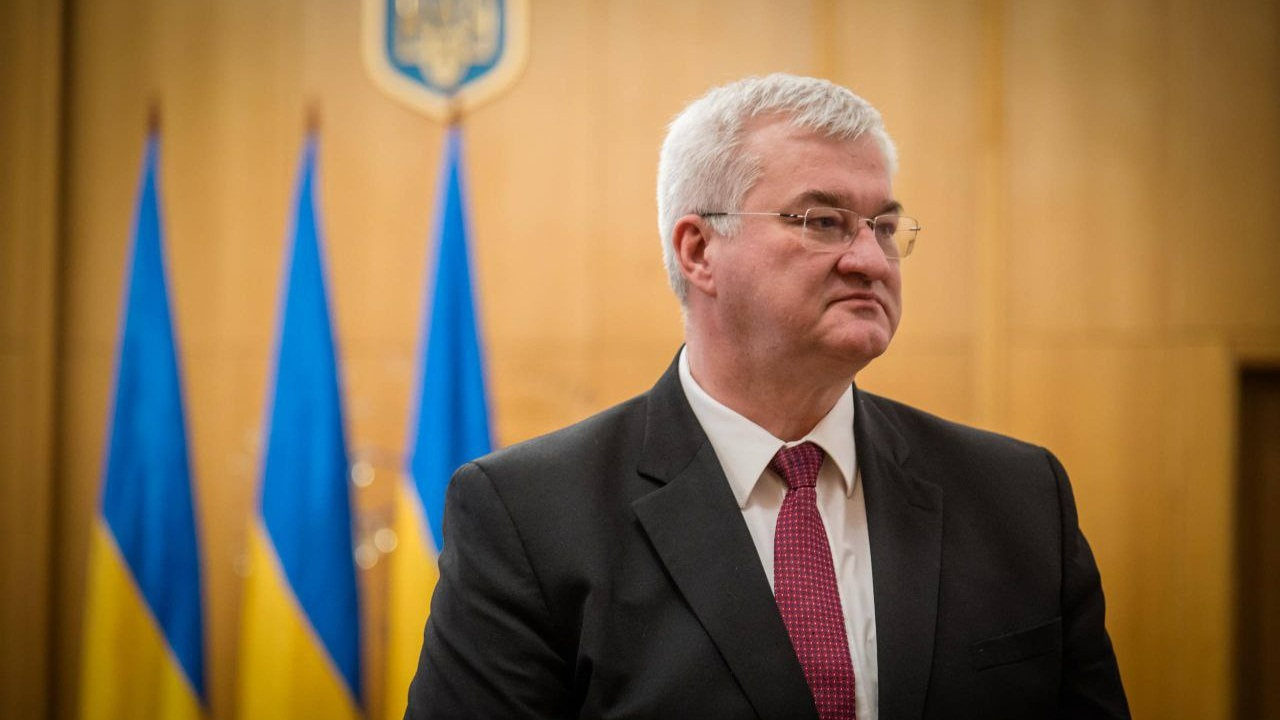
Ukraine's foreign minister on lifting of sanctions on two Russian oligarchs: Moscow is celebrating because it got what it wanted
DEVELOPINGUkrainska Pravda9h ago
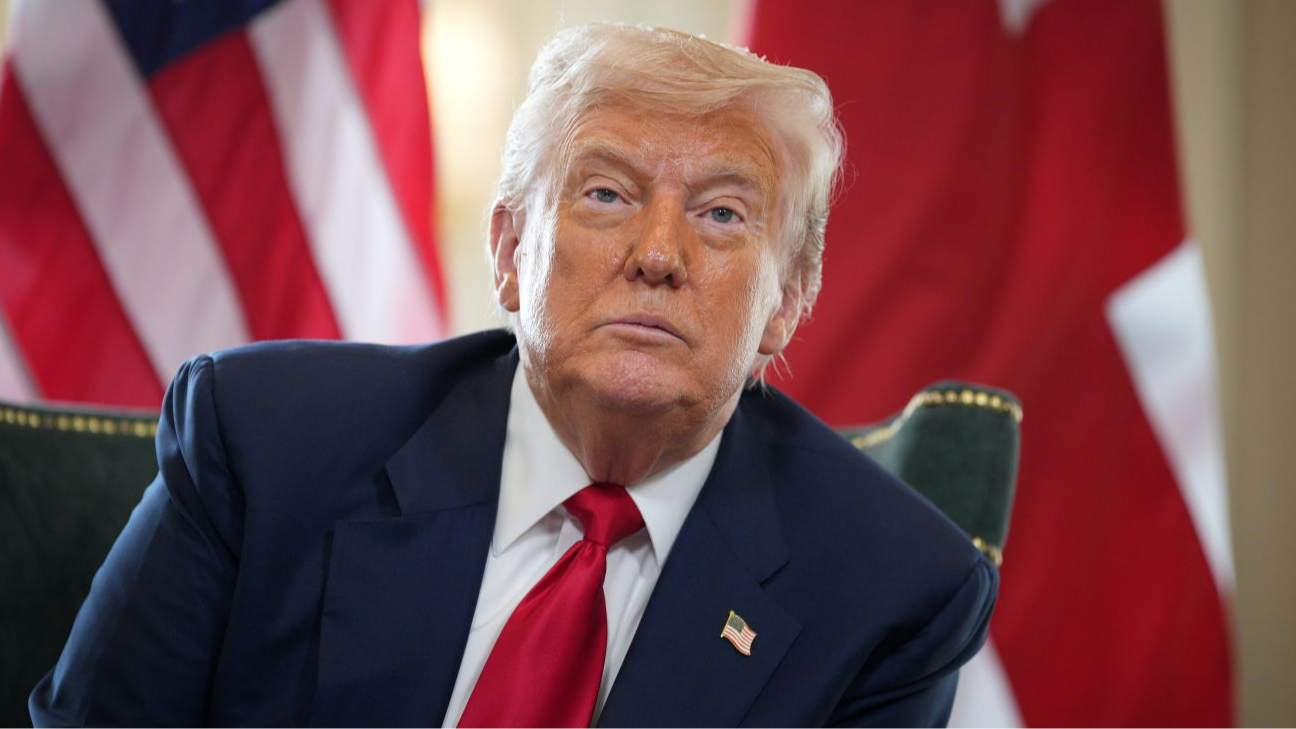
Trump says he will use Graham law if necessary
DEVELOPINGUkrainska Pravda10h ago
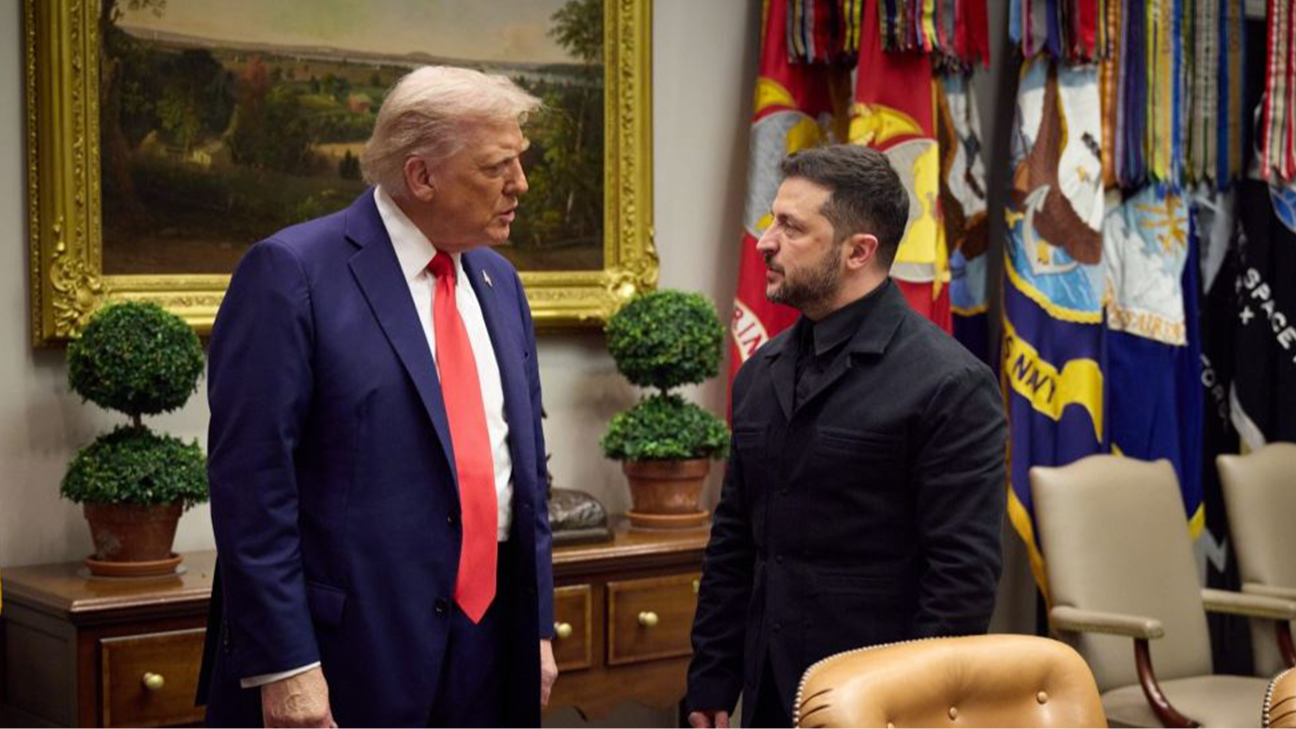
Rubio and US special envoys to join Trump-Zelenskyy meeting
DEVELOPINGUkrainska Pravda10h ago