
The Guardian Middle East
leftREPORTEU accused of dragging its feet over ban on trade with illegal Israeli settlements
Full BriefGenerated 92d ago
What Happened
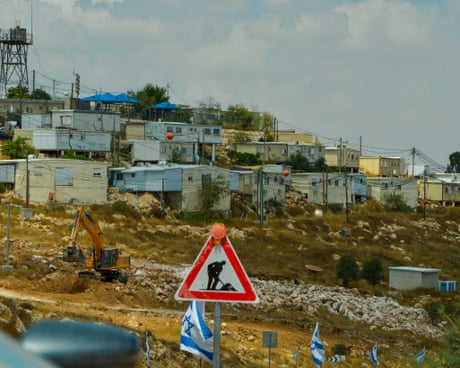
EU foreign ministers are meeting in Brussels on Monday to discuss a ban on imports from illegal Israeli settlements, amid ongoing humanitarian crisis in Gaza and surging state-backed violence in the West Bank. The European Commission has presented three options in a paper: a full import ban, high tariffs making trade unviable, or an import licensing system. The discussion follows an International Court of Justice (ICJ) 2024 advisory ruling that Israel's occupation is unlawful and that states must prevent trade sustaining it. Over 100 legal scholars wrote to the Commission affirming this obligation. However, no decision is expected due to member state divisions; the earliest possible decision-making gathering is in October. The maximum outcome from Monday is a call by a simple majority for a legal proposal. Human Rights Watch and former trade official Ignacio García Bercero have stated a ban is the only way to comply with international law. NGO Global Echo found that 1 in 6 investigated shipments contained settlement products, many mislabelled as Israeli-grown.
Key Actors
- ·EU foreign ministers(Decision-making body of EU member states)Divided on banning trade with settlements; not expected to take immediate action.
- ·European Commission(EU executive body)Presented options cautiously, citing upcoming Israeli election; criticized for slow action.
- ·Israel(State occupying Palestinian territories)Benefits from settlement trade with EU; faces general election by 27 October 2025.
- ·Legal scholars and Human Rights Watch(International law experts and NGO)Assert EU has legal obligation under ICJ ruling to ban settlement trade; HRW calls it the only compliant measure.
Why It Matters
The EU's potential trade ban on illegal settlements tests the bloc's commitment to international law following the ICJ's landmark 2024 ruling that Israel's occupation is unlawful and amounts to apartheid. Inaction risks deepening EU legal liability and undermining the rules-based order. The decision intersects with the Gaza war and escalating West Bank violence, where at least 235 Palestinian children have been killed. A ban would significantly alter EU-Israel economic ties and could set a precedent for other states to enforce ICJ findings, potentially accelerating political pressure on Israel to end the occupation.
Watch For
The outcome of the EU foreign ministers' meeting on Monday, 17 March 2025: whether a simple majority calls for a legal proposal on a settlement trade ban. The next decision-making window in October 2025. Israel's general election by 27 October 2025, which could influence Netanyahu's stance. Further ICJ or ICC proceedings on Israeli practices. Continued NGO investigations and public pressure on EU institutions and member states.
Generated 92d ago · Based on full articleAuto-Compiled
DAILY BRIEFING
Follow Israel–Palestine
Get a daily briefing with the most critical developments from every active conflict zone. Concise. Verified. Free.
No spam. Unsubscribe anytime. Verified sources only.
This page aggregates and summarizes reporting from The Guardian Middle East. The Conflict Pulse does not author original reporting. Read the original source for full coverage.
CONFLICT OVERVIEW
Israel–Palestine
Latest verified updates on Gaza, the West Bank, Israeli military operations, Palestinian politics, humanitarian conditions, and international diplomacy.
Active since May 1948
MORE REPORTING ON THIS REGION
Recent reporting from this region. These stories may cover different events.
LATEST FROM ISRAEL–PALESTINE

REPORTMiddle East Eye18h ago
Netanyahu seeks criminal charges for NAZA participants

REPORTAl Jazeera18h ago
Gaza: Still Reporting

REPORTMiddle East Eye19h ago
Gaza: ‘She survived the bombing, but not the blockade’

REPORTMiddle East Eye19h ago
Palestinian succumbs to wounds sustained in Israeli attack in northern Gaza

REPORTMiddle East Eye19h ago
Israeli elections: Grotesque court spectacle sets a chilling precedent

REPORTAl Jazeera21h ago