
Al Jazeera
centerREPORTEspionage threats blur lines between security and dissent in Iran
Iran is using the threat of spy networks to detain and execute political opponents, analysts say.
Full BriefGenerated 18h ago
What Happened
Iranian authorities have intensified judicial and security crackdowns, citing espionage threats following two wars launched by the United States and Israel in 2025 and 2026. Judiciary spokesman Ali Kazemi reported that at least 1,895 individuals, including 94 media workers, are currently facing charges of cooperating with hostile states. According to reports from HRANA, police conducted at least 21,000 arrests following the June 2025 war, while 50,000 people were detained during nationwide protests in January 2026. Former Mossad director David Barnea claimed that Israeli intelligence deliberately leaked footage of agents in Iran to trigger mass arrests of civilians, a strategy intended to protect active intelligence assets. Human rights organizations, including Amnesty International and the United Nations, have documented the use of coerced confessions and the application of national security charges against journalists, lawyers, and protesters.
Key Actors
- ·Mossad(Israeli intelligence agency)Former director David Barnea claimed the agency utilized mass arrests of Iranian civilians as a diversionary tactic to shield active intelligence assets.
- ·Iranian Ministry of Intelligence(Iranian state security body)The ministry characterizes foreign intelligence operations as a 'hybrid war' involving sabotage, media hostility, and the exploitation of economic crises.
- ·Gholam-Hossein Mohseni-Ejei(Chief of the Iranian Judiciary)He has invoked wartime conditions to justify accelerated prosecutions and security measures against alleged collaborators.
- ·HRANA(US-based human rights organization)The organization reported that thousands of civilians were killed during the government crackdown on anti-government protests.
Why It Matters
The blurring of lines between legitimate counterintelligence operations and political repression suggests a significant hardening of the Iranian state's internal security posture. By framing domestic dissent, independent journalism, and minority activism as extensions of foreign espionage, the Iranian government is utilizing the ongoing regional conflict with Israel and the United States to consolidate control and eliminate internal opposition under the guise of national security.
Watch For
Monitor for further reports from the United Nations regarding the status of espionage-related executions and the potential for continued mass trials of media workers and activists. Additionally, observe whether the Iranian judiciary maintains its current pace of capital punishment for national security cases as the broader regional conflict persists.
Generated 18h ago · Based on full articleAuto-Compiled

DAILY BRIEFING
Follow Iran
Get a daily briefing with the most critical developments from every active conflict zone. Concise. Verified. Free.
No spam. Unsubscribe anytime. Verified sources only.
This page aggregates and summarizes reporting from Al Jazeera. The Conflict Pulse does not author original reporting. Read the original source for full coverage.
CONFLICT OVERVIEW
Iran
Latest verified updates on Iran’s regional confrontation, U.S.–Israeli strikes, missile retaliation, proxy networks, sanctions, and Strait of Hormuz risks.
MORE REPORTING ON THIS REGION
Recent reporting from this region. These stories may cover different events.
LATEST FROM IRAN

REPORTMiddle East Eye12h ago
US Centcom rejects Iranian reports of vessels hitting Hormuz sea mines
REPORTMiddle East Eye13h ago
Vance reaches out to Iranian security chief to restart peace talks, reports say
REPORTJerusalem Post — Iran News13h ago
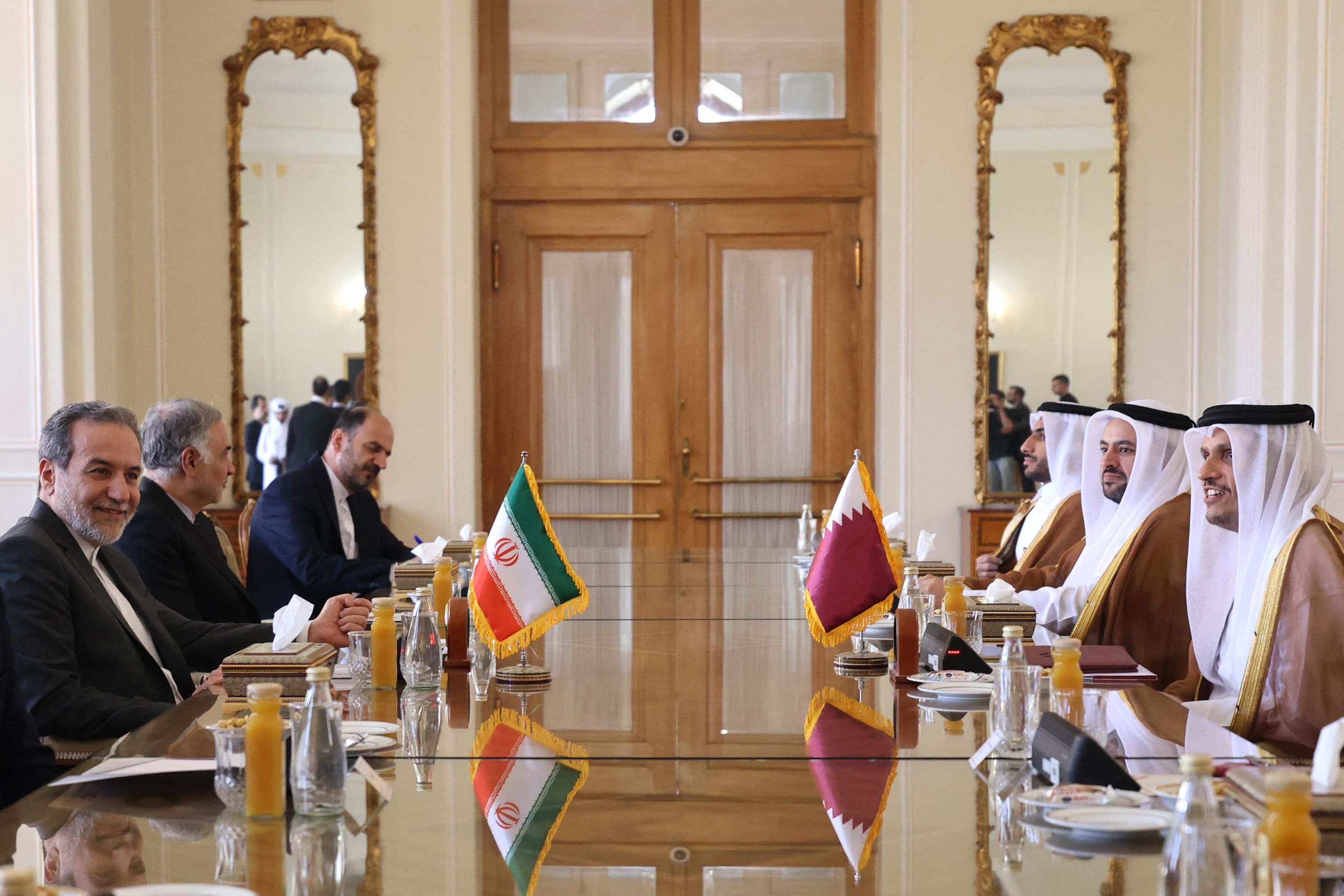
Iran is in close contact with mediators on seven-day plan, foreign minister says

REPORTMiddle East Eye16h ago
US warns Gulf of intense strikes on Iran after midterms: Report
REPORTDW News19h ago
Is Iran headed to war or peace after Mecca alliance meeting?
REPORTJerusalem Post — Iran News19h ago