BBC Middle East
centerREPORTDozens of ships head through Strait of Hormuz after US-Iran deal
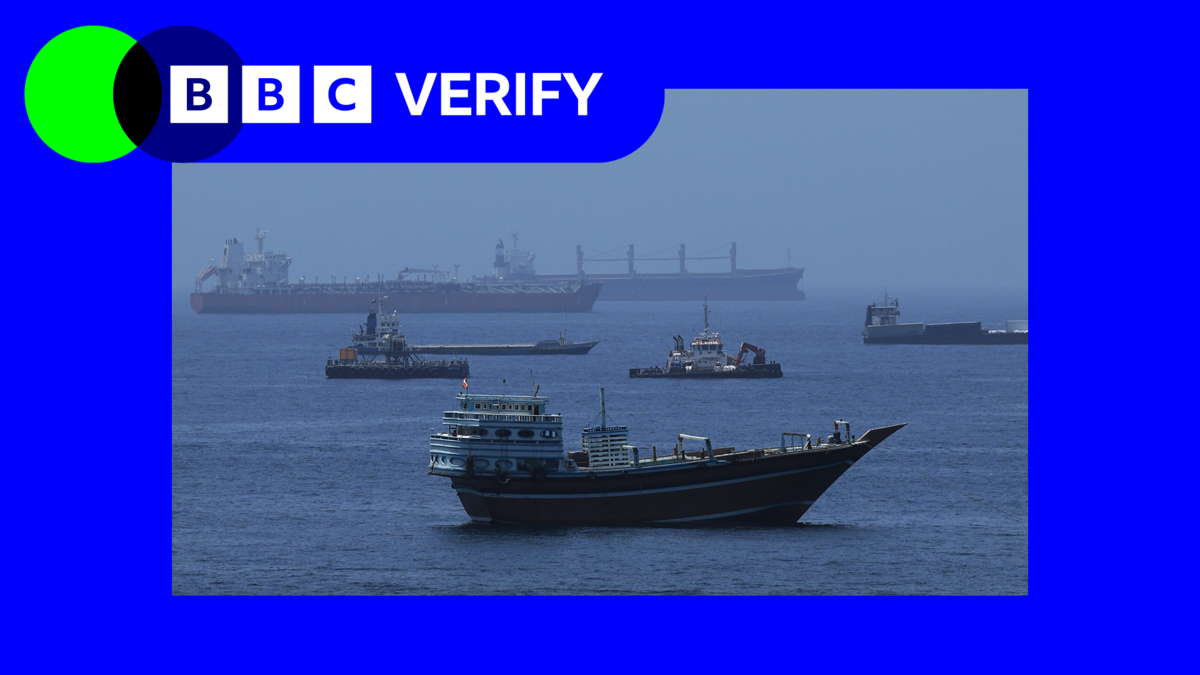
Full BriefGenerated 1d ago
What Happened
After the United States and Iran signed a deal on 17 June, vessel traffic through the Strait of Hormuz began to recover, with 172 crossings by 22 June, though still below the pre-conflict daily average of 138, according to Kpler. The US Treasury eased decades-old sanctions, issuing a license permitting Iranian crude and petrochemical sales until 21 August; at least 30 tankers carrying Iranian oil have since departed the Gulf, including five previously US-sanctioned vessels. All transits have used the Iranian-approved northern route, as Iran’s Persian Gulf Strait Authority (PGSA) published terms requiring vessels to obtain its permit. Conflicting signals from Iran—IRGC claimed the strait was closed on 20 June citing Israeli strikes on Lebanon, while Tehran’s UN ambassador said it was open—added uncertainty. The Joint Maritime Information Center (JMIC), which includes the US, warned of sea mines in central shipping lanes and recommended a southern corridor close to Oman, which it says is confirmed clear.
Key Actors
- ·Iran (IRGC and PGSA)(State actor controlling northern strait passage)Asserting authority over transit by requiring PGSA permits; IRGC claimed closure due to Israeli strikes on Lebanon, while other officials gave conflicting signals.
- ·United States(Deal signatory and sanctions authority)Signed deal easing naval blockade and issuing Treasury license for Iranian oil sales until 21 August; recommends southern route via JMIC.
- ·Oman(Mediator and co-administrator)Worked with Iran to define future administration of strait under deal; southern route runs near its coast.
- ·Joint Maritime Information Center (JMIC)(Multinational maritime security group including US)Warned of sea mines in central shipping lanes, recommended confirmed-clear southern corridor.
Why It Matters
The Strait of Hormuz handles roughly one-fifth of global oil transit; any disruption or reordering of control directly affects energy markets and Gulf security. The deal marks a temporary US-Iran accommodation, reducing immediate naval confrontation, but Iran’s assertion of a permit system and its IRGC’s willingness to unilaterally declare closures undermine the US-backed freedom-of-navigation framework. The US sanctions easement signals a pragmatic shift, yet the 60-day timeline and visible Iranian control may embolden Tehran while alarming Gulf allies and Israel. Mine contamination adds a physical risk that could halt traffic unexpectedly.
Watch For
Monitor whether daily vessel transits rise toward pre-crisis averages of 138 and if any tankers attempt the southern corridor. Key deadlines: US Treasury license expires 21 August; the deal’s safe-passage commitment lasts 60 days. Watch for a formalization or enforcement of the PGSA permit requirement, and for any incident involving mines or IRGC interdictions. Diplomatic signals from Oman and E3 capitals on a longer-term strait governance framework will indicate whether this deal is a stepping stone or a short-lived truce.
Generated 1d ago · Based on full articleAuto-Compiled
This page aggregates and summarizes reporting from BBC Middle East. The Conflict Pulse does not author original reporting. Read the original source for full coverage.
CONFLICT OVERVIEW
Iran
Latest verified updates on Iran’s regional confrontation, U.S.–Israeli strikes, missile retaliation, proxy networks, sanctions, and Strait of Hormuz risks.
SOURCE PERSPECTIVES
How outlets across the bias spectrum are covering this conflict.
LATEST FROM IRAN