
The Guardian Asia
leftREPORT‘Den of spies’: why has Japan been easy prey for Russian espionage, and what is Tokyo doing about it?
Full BriefGenerated 85d ago
What Happened
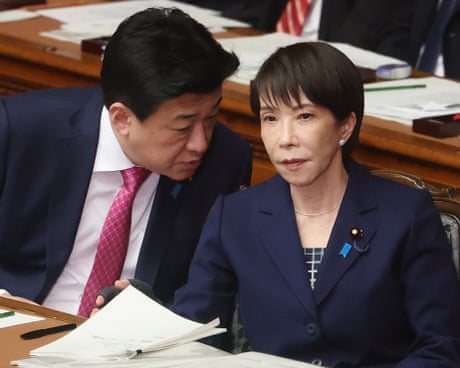
Japan is grappling with a significant Russian espionage presence focused on technology procurement for the war in Ukraine, according to recent reports. Nikkei Business reported in August 2022 that approximately 120 Russian intelligence officers were operating in Japan, and the Tokyo police public security bureau said in January that a Japanese machine-tool company employee had been disclosing trade secrets to a suspected SVR operative. A July 12 New York Times article detailed a Russian procurement operation run from a Tokyo Aeroflot office, calling Japan a “den of spies.” In response, the government of Sanae Takaichi is pushing a postwar intelligence overhaul: the National Intelligence Council Establishment Act passed in May creates a 700-strong National Intelligence Bureau to oversee counterintelligence, and a foreign intelligence agency is slated to begin operations by early 2028. New legislation targeting foreign operatives is expected by the end of 2026.
Key Actors
- ·Russian SVR(Foreign intelligence agency, successor to the KGB’s overseas division)Allegedly procuring dual-use technology for Russia's war in Ukraine through operatives in Japan, cultivating sources at technology firms, and using trade representation and Aeroflot offices as cover.
- ·Government of Japan (Sanae Takaichi administration)(Executive branch of Japan)Acknowledging a growing threat from foreign espionage and advancing the most significant postwar intelligence overhaul, including establishing a National Intelligence Bureau and a new foreign intelligence agency, while tightening laws against foreign operatives.
- ·Aeroflot(Russian majority state-owned airline)Alleged by the New York Times to have hosted a technology procurement operation for the Ukraine war from its Tokyo office.
Why It Matters
The revelation that Japan has become a hub for Russian intelligence operatives procuring sensitive technology for Moscow’s war effort underscores critical vulnerabilities in Western-aligned sanctions and export controls. Japan’s historically lax anti-espionage laws, rooted in postwar civil liberties protections, have made it an attractive target. Tokyo’s forced modernization of its intelligence and counterintelligence capabilities signals a significant strategic shift, reflecting the high-stakes impact of the Ukraine conflict on security postures even among non-belligerent allies.
Watch For
The Japanese Diet is expected to propose legislation specifically targeting foreign intelligence operatives by the end of 2026. The new foreign intelligence agency is set to begin operations by early 2028. In the near term, monitor for any expulsions of Russian diplomats or operatives, further prosecutions of technology leaks, and whether the National Intelligence Bureau’s creation leads to publicized disruptions of procurement networks.
Generated 85d ago · Based on full articleAuto-Compiled
DAILY BRIEFING
Follow Ukraine–Russia
Get a daily briefing with the most critical developments from every active conflict zone. Concise. Verified. Free.
No spam. Unsubscribe anytime. Verified sources only.
This page aggregates and summarizes reporting from The Guardian Asia. The Conflict Pulse does not author original reporting. Read the original source for full coverage.
CONFLICT OVERVIEW
Ukraine–Russia
Latest verified updates on Russia’s war in Ukraine, frontline shifts, drone warfare, Western support, occupied territories, and ceasefire diplomacy.
Active since February 2014
MORE REPORTING ON THIS REGION
Recent reporting from this region. These stories may cover different events.
LATEST FROM UKRAINE–RUSSIA

DEVELOPINGAl Jazeera7h ago
Russian attack on buses in Ukraine’s Kramatorsk kills at least 30 people

DEVELOPINGBBC Asia8h ago
South Korea recalls Ukraine envoy over prisoner-of-war row
DEVELOPINGUkrainska Pravda8h ago
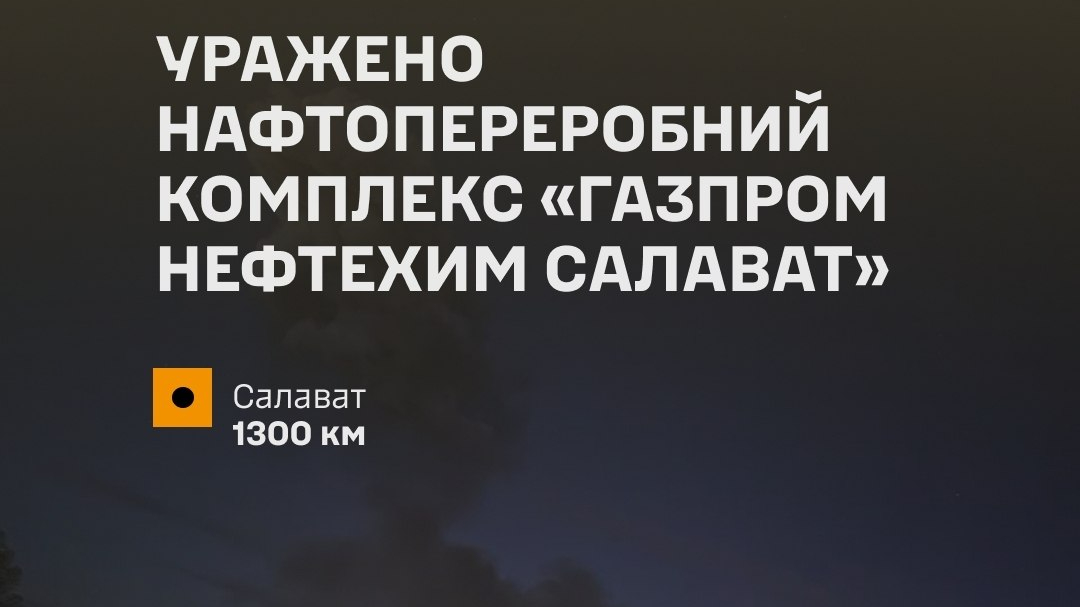
Ukraine's defence forces strike Gazprom oil refinery in Bashkortostan, 1,400 km from border
DEVELOPINGUkrainska Pravda9h ago
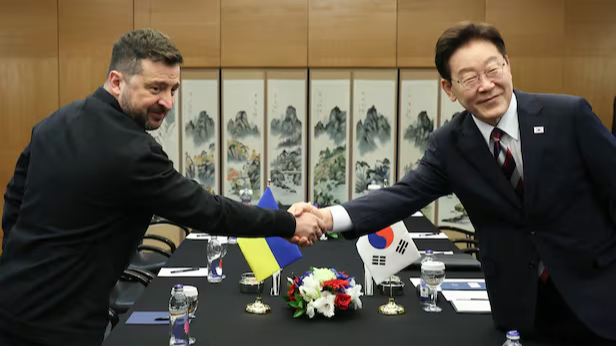
South Korea recalls its ambassador to Ukraine amid dispute over North Korean POWs
DEVELOPINGUkrainska Pravda10h ago
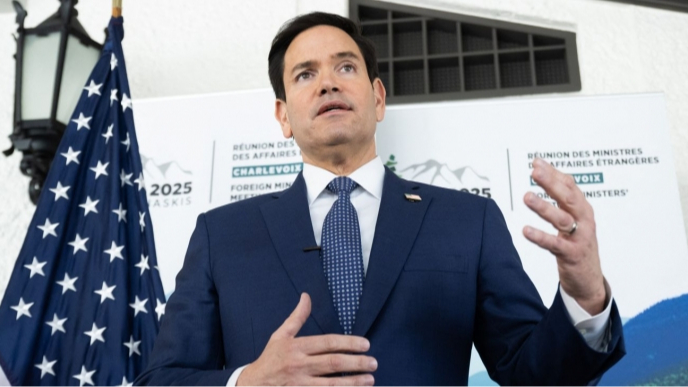
Rubio says diplomatic negotiations to end war in Ukraine are "proving elusive"
DEVELOPINGUkrainska Pravda10h ago