The Intercept
leftDEVELOPING“Cover-Up” Unravels as Pentagon Admits Nearly 100 Injured in Iran Strikes
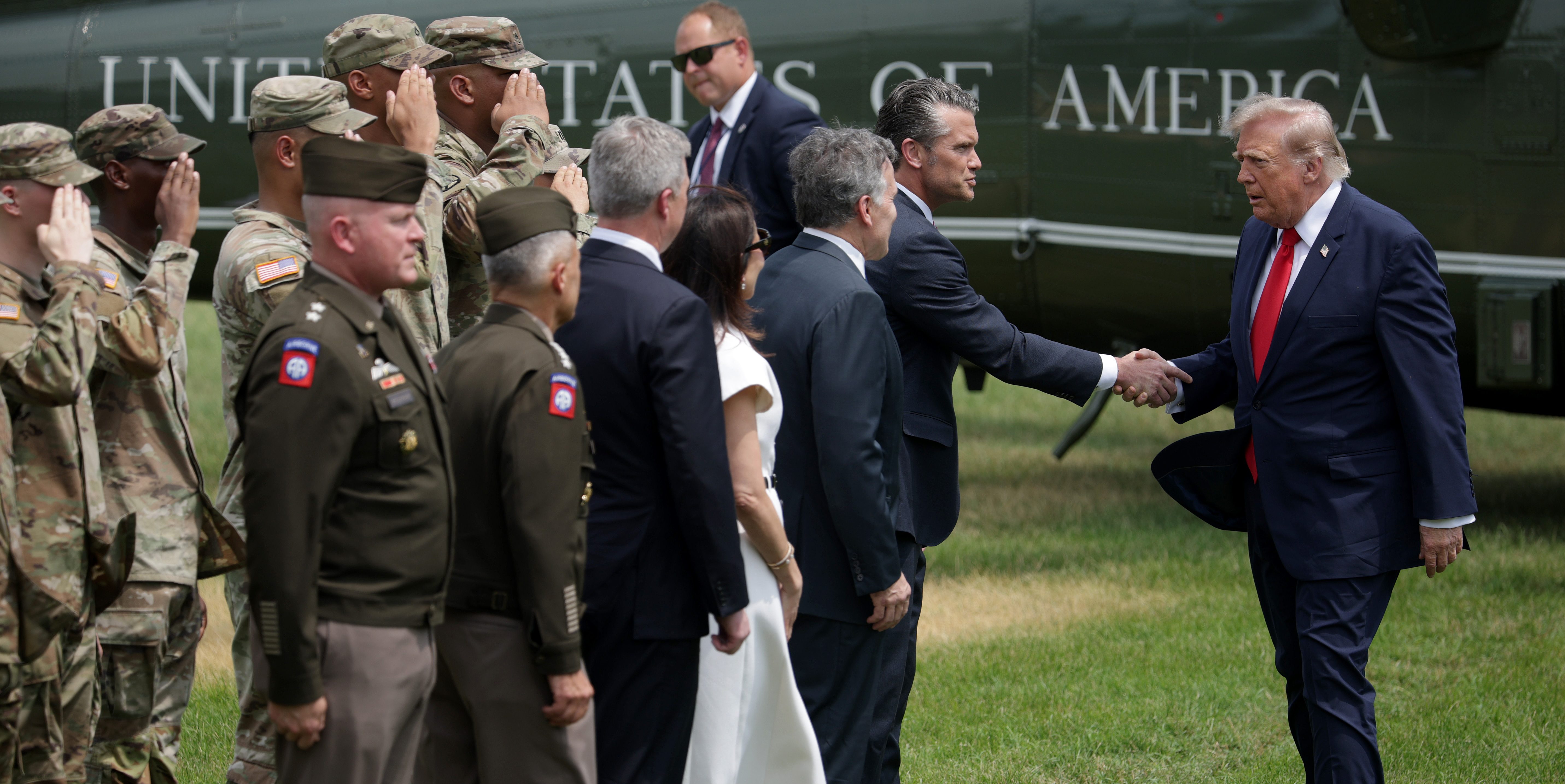
The Department of War disclosed a massive spike in U. S.
Full BriefGenerated 3h ago
What Happened
The Pentagon acknowledged on Monday that nearly 100 U.S. service members have been injured in Iranian attacks across the Middle East since July 7, after weeks of downplaying casualties. A U.S. official told The Intercept that the Pentagon had been withholding the full count, calling it "official ineptitude" that benefited the Trump administration. The admission followed deaths of three Army soldiers in a ballistic missile attack on Muwaffaq Salti Air Base in Jordan, and the killing of Sgt. Michael Emmanuel Swinton during a controlled detonation of an Iranian attack drone at Erbil Air Base in Iraq. Despite the acknowledgment, the Pentagon's official casualty database continued to show zero wounded in action for July as of early Tuesday. Iranian strikes also targeted U.S. installations in Bahrain, Kuwait, and Syria, with the IRGC-linked Tasnim News Agency claiming significant damage. The U.S. official said Iran had overwhelmed American air defenses using a mix of ballistic missiles and drones.
Key Actors
- ·Sean Parnell(Pentagon spokesperson)Admitted that nearly 100 service members were injured since July 7, but claimed 96% returned to duty and injuries were mostly minor concussions.
- ·U.S. official(Anonymous source)Alleged a 'casualty cover-up,' stating dozens were injured and that Pentagon errors served the Trump administration's interests.
- ·Iran's Islamic Revolutionary Guard Corps(Military force overseeing external operations)Conducted attacks on U.S. bases in Jordan, Iraq, Bahrain, Kuwait, and Syria, reportedly using combined ballistic missile and drone strikes.
Why It Matters
The delayed disclosure and inconsistent data reinforce concerns that the Pentagon systematically undercounts casualties from Iranian strikes, echoing previous instances like the 2020 Al-Asad attack where traumatic brain injuries were initially dismissed. The incident highlights Iran's growing ability to degrade U.S. air defenses through saturation tactics, increasing the strategic risk of a wider escalation. It also exposes internal tensions between military transparency and political pressure to minimize perceived weakness.
Watch For
Monitor updates to the Defense Casualty Analysis System for potential retrospective revisions to July casualty figures, as well as any Congressional inquiries into the timing and accuracy of the Pentagon's disclosures. Watch for further Iranian strikes or U.S. responses after the collapse of April and June ceasefires, and whether TBI symptoms lead to higher injury tallies over time.
Generated 3h ago · Based on full articleAuto-Compiled
This page aggregates and summarizes reporting from The Intercept. The Conflict Pulse does not author original reporting. Read the original source for full coverage.
CONFLICT OVERVIEW
Iran
Latest verified updates on Iran’s regional confrontation, U.S.–Israeli strikes, missile retaliation, proxy networks, sanctions, and Strait of Hormuz risks.
SOURCE PERSPECTIVES
How outlets across the bias spectrum are covering this conflict.
LATEST FROM IRAN