
Jerusalem Post — Iran News
rightREPORTConflict continues as Iran weighs costs of future US strikes, returning to negotiations - analysis
Iran may hint that it is willing to hold talks again and continue to play the “good cop, bad cop” game it has played in the past. The IRGC would act as the bad cop and the government as the good.
Full BriefGenerated 106d ago
What Happened
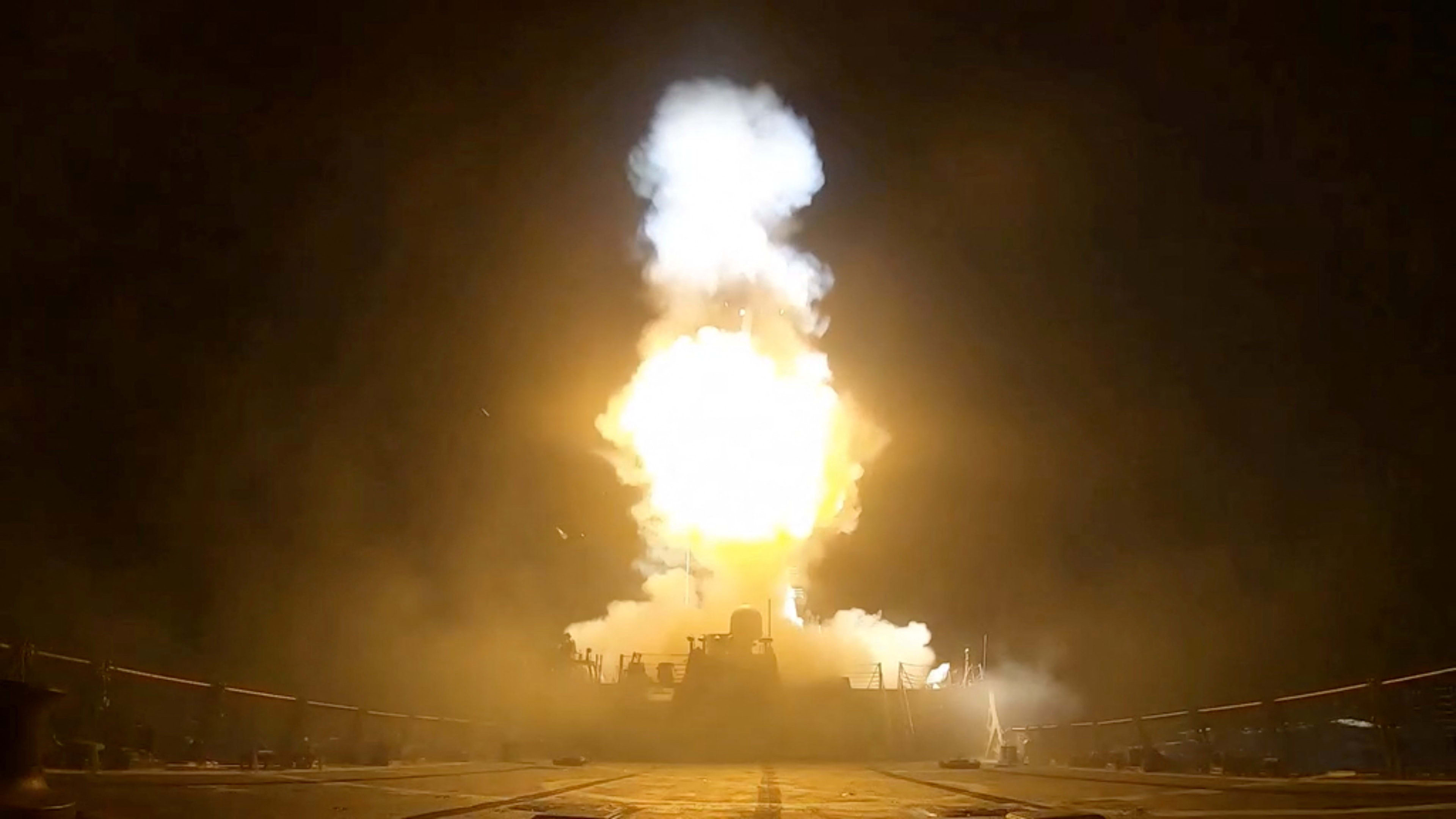
The United States has been carrying out strikes inside Iran for nine days, targeting logistics sites near the port city of Bandar Abbas, including bridges, tunnels, port terminals, air defense systems, radars, and command-and-control assets. US Central Command initiated the strikes after Iranian attacks on commercial ships in the Strait of Hormuz, which culminated in several incidents on July 6 and 7. The US objective is to degrade Iran's ability to threaten shipping through this critical waterway. The article analyzes Iran's possible next moves, highlighting its historical pattern of the IRGC conducting attacks while the civilian government signals willingness to negotiate—a 'good cop, bad cop' tactic that has allowed Iran to maintain plausible deniability. It questions whether Iran will perceive the US strikes as a serious threat or a bluff, and whether the US is prepared for a wider conflict given Iran's large geographic size and the risk of a costly ground war.
Key Actors
- ·US Central Command(Unified combatant command of the US Department of Defense)Conducting strikes on Iranian logistics and military targets near the Gulf to safeguard freedom of navigation in the Strait of Hormuz.
- ·Islamic Revolutionary Guard Corps (IRGC)(Iranian military force with external operations remit)Acting as the 'bad cop' in Iran's strategy, carrying out attacks on regional shipping and US-linked targets while the government disavows knowledge.
- ·Iranian government(Political leadership of Iran)Publicly signals openness to negotiations while allowing IRGC attacks, seeking to preserve its ability to project power across the region.
Why It Matters
The conflict raises the stakes over US-Iran tensions in the Strait of Hormuz, a vital oil transit chokepoint. Iran's dual-track approach—combining military aggression with diplomatic overtures—challenges US deterrence and risks drawing in regional proxies. The killing and wounding of Americans in Jordan and Iraq by Iranian-linked forces adds urgency to the US response. The outcome will influence global energy security, the viability of alternative export routes, and the broader balance of power in the Middle East.
Watch For
In the last week of July, monitor whether the US escalates its strikes, potentially expanding target sets, and whether Iran returns to negotiations or continues attacks. Watch for Iranian proxy activity in Iraq and Jordan that could cause further US casualties. Track diplomatic signals from both sides and any moves by Gulf states to reroute oil exports via Syria or other corridors, as well as the operational status of the Strait of Hormuz.
Generated 106d ago · Based on full articleAuto-Compiled
DAILY BRIEFING
Follow Iran
Get a daily briefing with the most critical developments from every active conflict zone. Concise. Verified. Free.
No spam. Unsubscribe anytime. Verified sources only.
This page aggregates and summarizes reporting from Jerusalem Post — Iran News. The Conflict Pulse does not author original reporting. Read the original source for full coverage.
CONFLICT OVERVIEW
Iran
Latest verified updates on Iran’s regional confrontation, U.S.–Israeli strikes, missile retaliation, proxy networks, sanctions, and Strait of Hormuz risks.
MORE REPORTING ON THIS REGION
Recent reporting from this region. These stories may cover different events.
LATEST FROM IRAN

REPORTMiddle East Eye12h ago
Trump says US might have to 'go after' Iran's Pickaxe Mountain if no deal is reached

REPORTJerusalem Post — Iran News14h ago
Trump 'days away' from launching nuclear strike on Iran, Tucker Carlson claims
REPORTJerusalem Post — Iran News17h ago
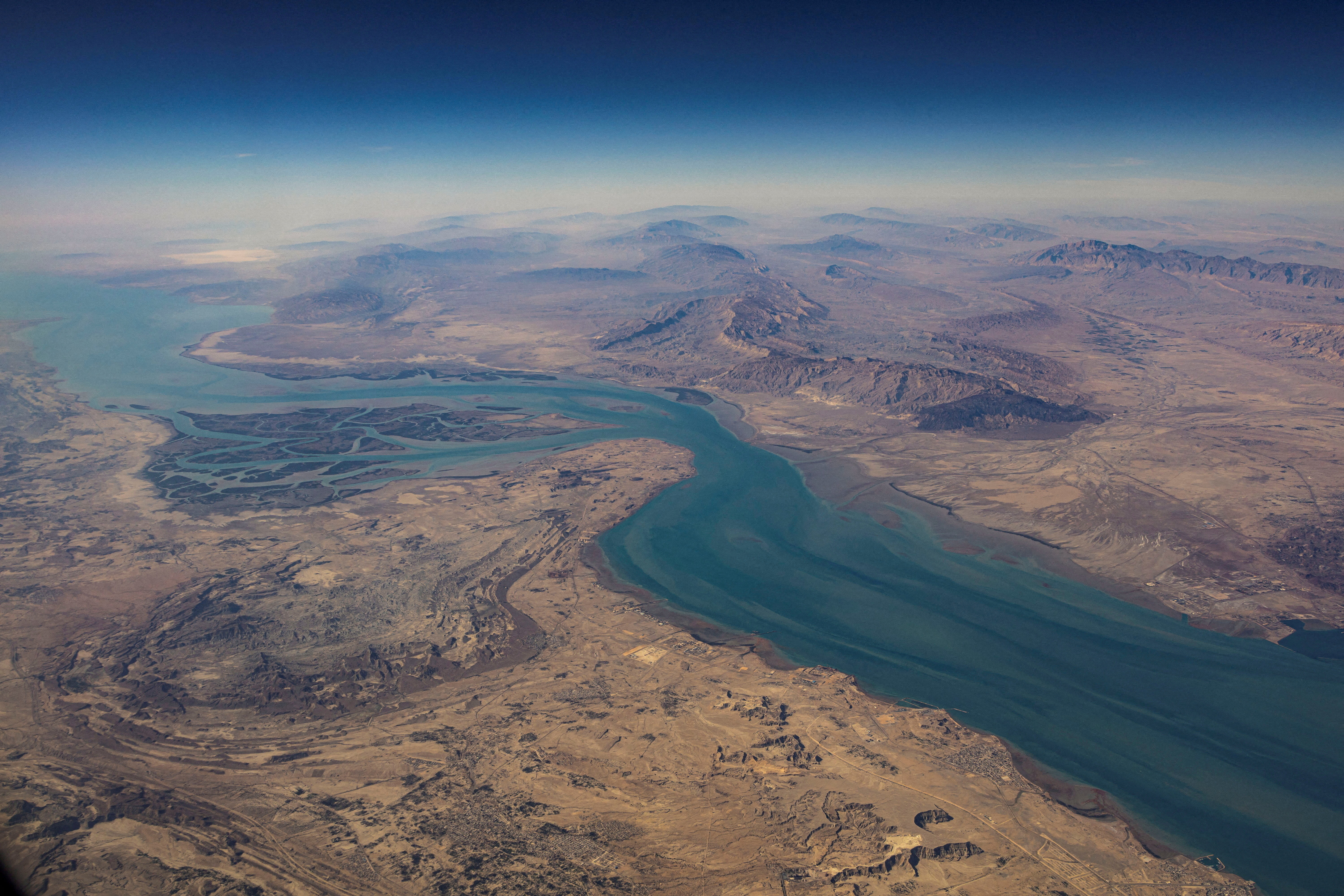
US carries out 'defensive' strikes on Qeshm Island after Iran downs drone, officials tell 'Post'
REPORTJerusalem Post — Iran News20h ago
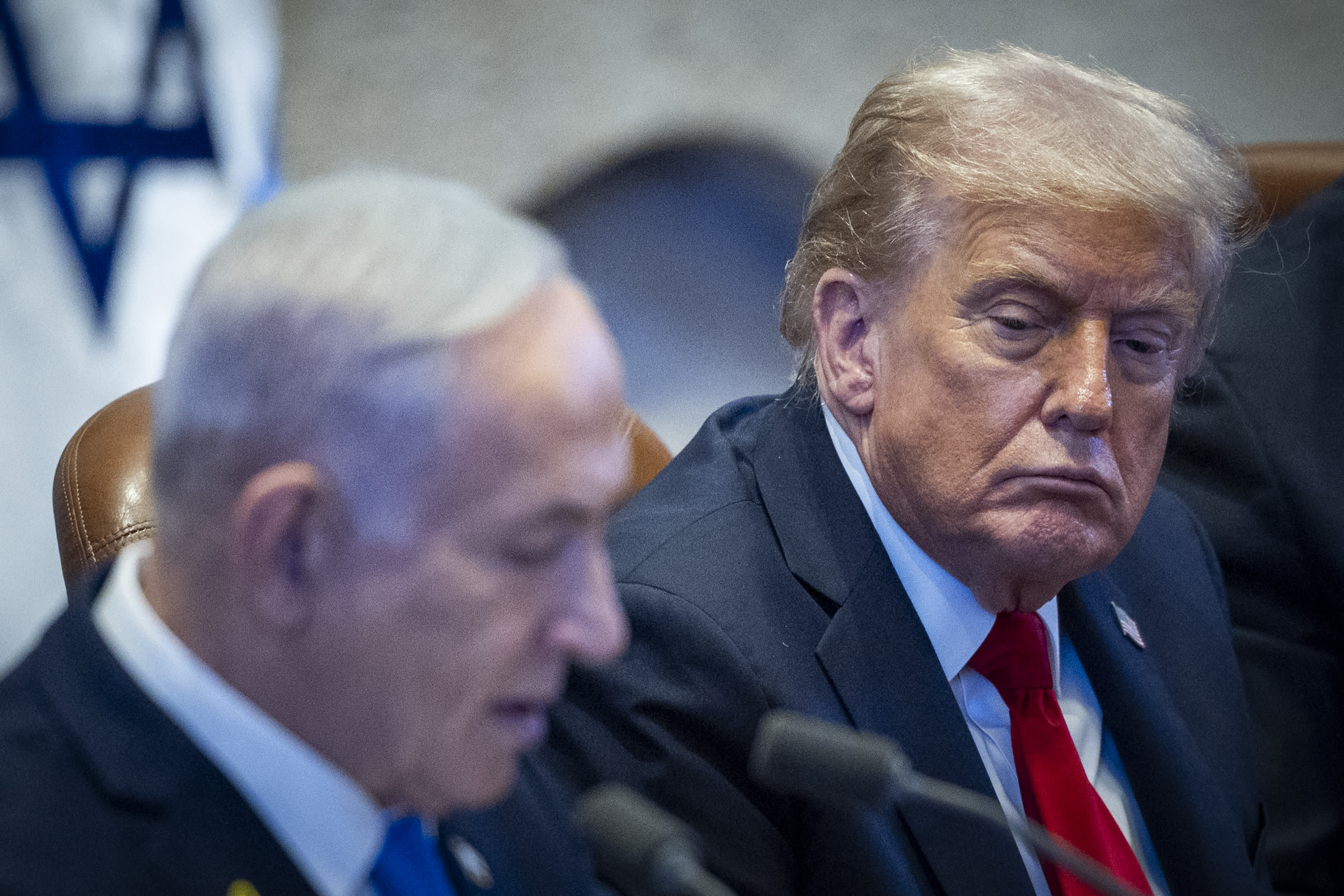
Trump raises doubts over renewed attacks on Iran

REPORTAl Jazeera20h ago
War, tariffs and China: What the US midterms mean for the Asia-Pacific

REPORTMiddle East Eye22h ago