
The Guardian Middle East
leftREPORTFlip-flopping Netanyahu rejects Gaza plan but cannot placate all his allies
Full BriefGenerated 60d ago
What Happened
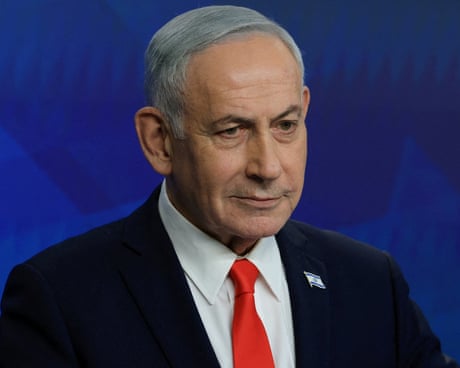
Israeli Prime Minister Benjamin Netanyahu publicly rejected a 15-point US-backed plan for Gaza on Sunday, despite reports from Israel's Channel 12 that he had previously consented to the proposal during meetings with Israeli Chief of Staff Eyal Zamir. The plan reportedly included a Hamas commitment to disarm and a pilot military withdrawal from specific areas in Rafah to facilitate an international security force. While Netanyahu's office denied discussing detailed withdrawal plans, the rejection occurred shortly after a visit from US Central Command's Admiral Brad Cooper, who reportedly conveyed a message from the Trump administration to wind down military operations in Gaza, Lebanon, and Iran. Despite the public rhetoric, the Israeli military has recently implemented stricter authorization protocols for airstrikes, requiring approval from the chief of staff rather than regional commanders.
Key Actors
- ·Benjamin Netanyahu(Prime Minister of Israel)He publicly rejected a US-backed Gaza peace plan while reportedly balancing domestic coalition pressures and US diplomatic demands.
- ·Donald Trump(President of the United States)He is pushing for a permanent settlement in Gaza and a reduction in Israeli military operations across multiple regional theatres.
- ·Eyal Zamir(Israeli Chief of Staff)He participated in meetings regarding the implementation of the pilot withdrawal plan for Gaza.
Why It Matters
The public disagreement highlights a growing strategic rift between the Israeli government and the United States administration ahead of critical elections in both countries. Netanyahu's attempt to navigate the conflicting demands of his far-right coalition partners and the US government risks further isolating Israel diplomatically and complicating the potential for a transition to post-conflict governance in Gaza, where humanitarian conditions remain severe.
Watch For
Monitor the upcoming Israeli elections scheduled for late October and the concurrent US midterm elections, which may influence the durability of current US-Israel policy coordination. Additionally, observe whether the Israeli military continues to scale back airstrikes under the new authorization protocols or if domestic political pressure leads to a resumption of intensified operations in Gaza and Lebanon.
Generated 60d ago · Based on full articleAuto-Compiled
DAILY BRIEFING
Follow Israel–Palestine
Get a daily briefing with the most critical developments from every active conflict zone. Concise. Verified. Free.
No spam. Unsubscribe anytime. Verified sources only.
This page aggregates and summarizes reporting from The Guardian Middle East. The Conflict Pulse does not author original reporting. Read the original source for full coverage.
CONFLICT OVERVIEW
Israel–Palestine
Latest verified updates on Gaza, the West Bank, Israeli military operations, Palestinian politics, humanitarian conditions, and international diplomacy.
Active since May 1948
MORE REPORTING ON THIS REGION
Recent reporting from this region. These stories may cover different events.
LATEST FROM ISRAEL–PALESTINE

DEVELOPINGMiddle East Eye8h ago
Israeli settlers and troops target olive harvesters, wedding convoy in West Bank attacks

DEVELOPINGAl Jazeera9h ago
Gaza ceasefire ‘exists in name only’, more than 100 NGOs say

DEVELOPINGMiddle East Eye10h ago
Flydubai co-pilot plotted 9/11-style attack on Tel Aviv airport, UAE prosecutor says

DEVELOPINGMiddle East Eye11h ago
Why the UK capitulated to Israel in consulate surrender deal

REPORTMiddle East Eye12h ago
Security guard in Palestine Action case tells court he ‘felt like Indiana Jones’

REPORTAl Jazeera12h ago