
France 24 Europe
centerREPORTArmenia polls open in test of prime minister's pivot away from Russia

Full BriefGenerated 20d ago
What Happened
Armenia held parliamentary elections on Sunday, with polls opening in a vote widely seen as a referendum on Prime Minister Nikol Pashinyan's policy of distancing the country from Russia and pursuing closer ties with the European Union. The election comes amid accusations that the Kremlin is attempting to influence the outcome, with Russia framing Armenia's EU ambitions as analogous to the circumstances it cited as justification for its 2022 invasion of Ukraine. Pashinyan has systematically reduced Armenia's dependence on Moscow since taking office, a shift that has drawn increasing Russian pressure and interference allegations.
Key Actors
- ·Nikol Pashinyan(Prime Minister of Armenia)Seeking electoral validation for his policy of reducing Russian dependence and pursuing EU integration.
- ·Russia / Kremlin(Former hegemon in the South Caucasus)Accused of attempting to influence the Armenian election and drawing parallels between Armenia's EU pivot and the pretext for the Ukraine invasion.
- ·European Union(Supranational bloc)Target of Armenia's diplomatic reorientation under Pashinyan, representing an alternative security and economic alignment.
Why It Matters
The election represents a critical juncture for the South Caucasus geopolitical order, testing whether a former Soviet state can successfully reorient away from Moscow without triggering the kind of destabilization Russia has employed elsewhere. Russia's explicit comparison of Armenia's EU ambitions to the Ukraine scenario signals potential escalation tactics, including economic pressure, support for opposition forces, or exploitation of the unresolved Nagorno-Karabakh conflict. A Pashinyan victory would validate the EU pivot and potentially encourage similar shifts in other post-Soviet states, while a loss would demonstrate the effectiveness of Russian interference and reinforce Moscow's sphere of influence.
Watch For
Monitor the official election results and any allegations of irregularities or Russian interference from international observers. Watch for immediate Russian government reactions, particularly statements from the Foreign Ministry or Kremlin officials that could signal economic retaliation or security pressure. Track any post-election protests or opposition mobilization, especially if backed by pro-Russian factions. Observe EU responses and whether Brussels accelerates integration mechanisms or offers security assurances to Yerevan. Pay attention to any renewed tensions along the Armenia-Azerbaijan border, which Russia could exploit to pressure Pashinyan's government.
Generated 20d ago · Based on initial reportAuto-Compiled
This page aggregates and summarizes reporting from France 24 Europe. The Conflict Pulse does not author original reporting. Read the original source for full coverage.
CONFLICT OVERVIEW
Ukraine–Russia
Latest verified updates on Russia’s war in Ukraine, frontline shifts, drone warfare, Western support, occupied territories, and ceasefire diplomacy.
Active since February 2014
SOURCE PERSPECTIVES
How outlets across the bias spectrum are covering this conflict.
Limited perspective coverage. Only center-leaning sources currently tracked for this region.
LATEST FROM UKRAINE–RUSSIA

DEVELOPINGAl Jazeera1h ago
Why is Crimea critical to the Russia–Ukraine war?
DEVELOPINGUkrainska Pravda3h ago
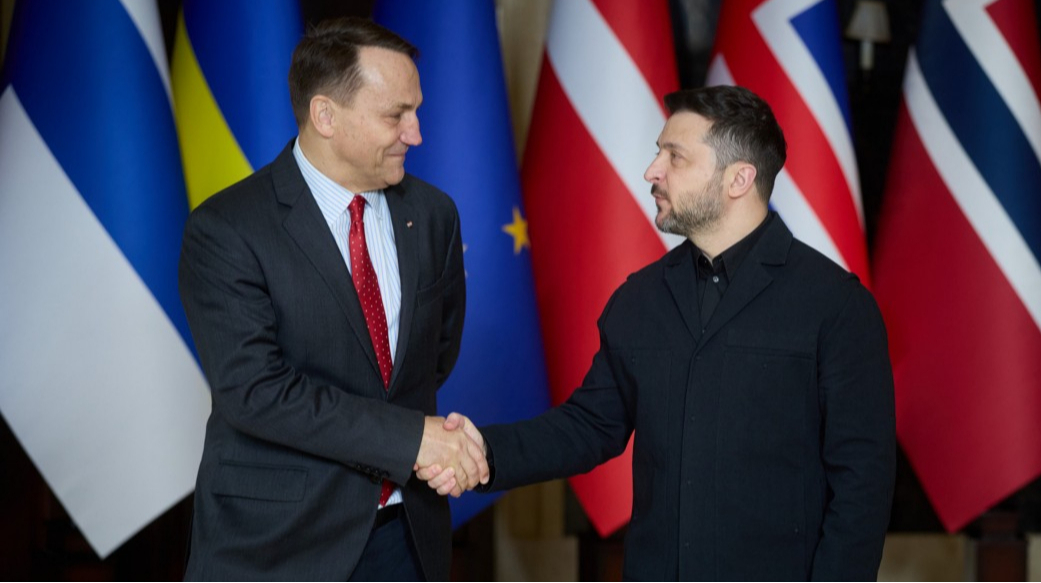
Zelenskyy and Putin should negotiate without intermediaries, Polish foreign minister says
DEVELOPINGDW News3h ago
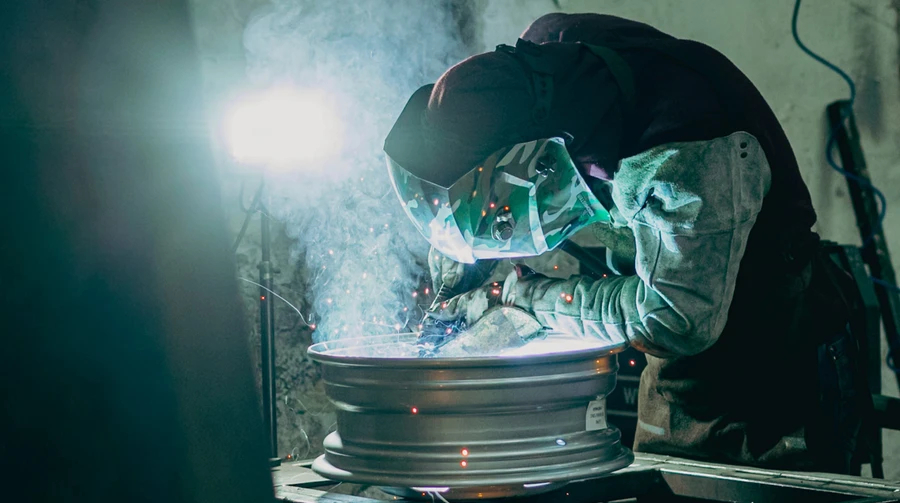
Ukraine strikes Russian weapons plant, Moscow fuel hub
DEVELOPINGUkrainska Pravda4h ago
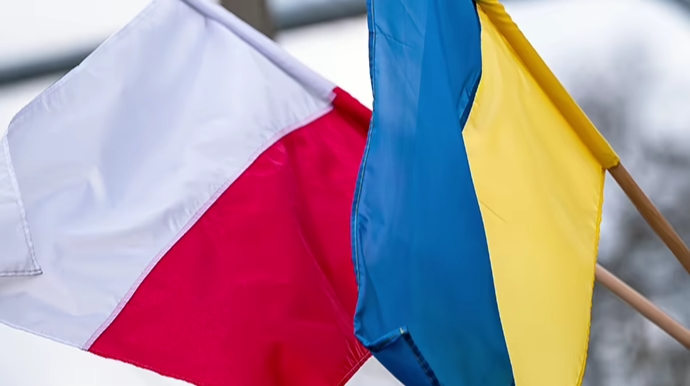
Polish foreign minister says Putin should not be allowed to exploit rifts with Ukraine
DEVELOPINGUkrainska Pravda5h ago
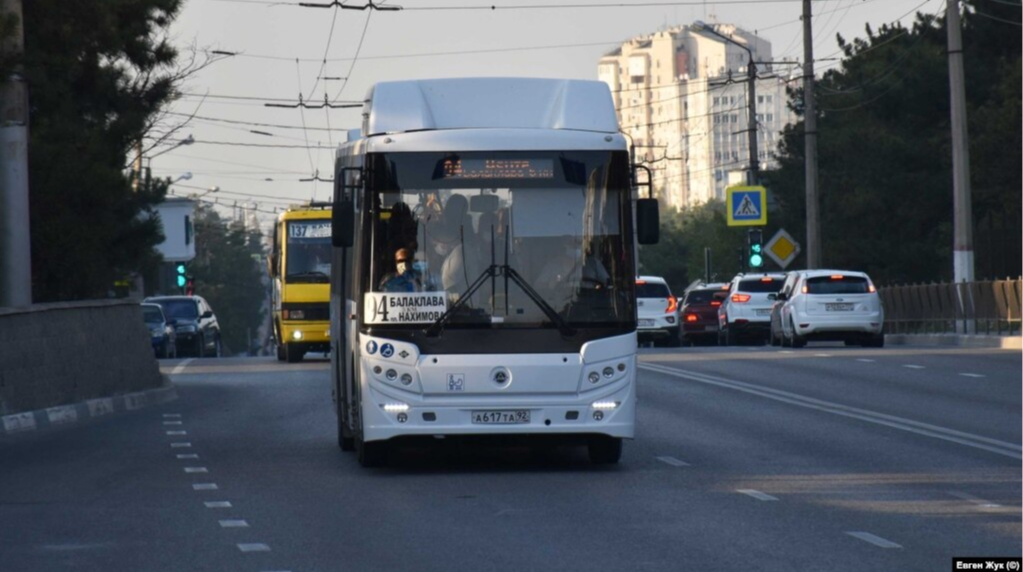
Public transport operators in occupied Sevastopol report receiving only a quarter of the fuel they need
DEVELOPINGUkrainska Pravda6h ago