
DW News
centerREPORTAre Ukraine drones really exposing gaps in Russia's defense?
Full BriefGenerated 109d ago
What Happened
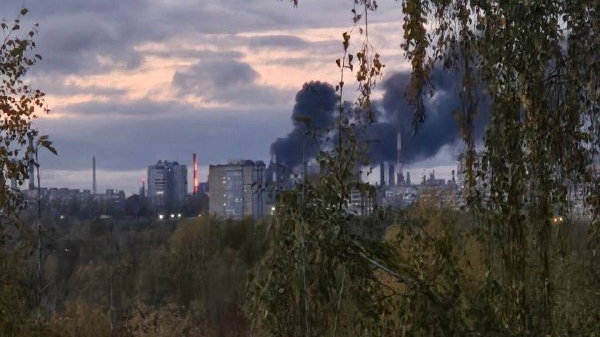
On 18 June 2026, Ukrainian drones struck multiple locations across Moscow in the largest drone attack on the Russian capital since the full-scale invasion began. The strike hit a major oil refinery that supplies 40% of the region’s fuel, causing a fire and halting production for several days, and forced evacuations at Russia’s largest airport. Eyewitness footage appeared to show Russian air-defence missiles missing the drones. Russian dissident military analyst Ruslan Leviev of the Conflict Intelligence Team told DW that his team recorded Moscow’s air defences downing more than 90% of the UAVs, but the few that got through caused substantial damage. Ukrainian aviation expert Anatoliy Khrapchynskyi argued the breach resulted from systemic degradation of Russia’s air-defence architecture and technological improvements in Ukraine’s long-range drones, while Leviev attributed the success to the sheer volume of attacks rather than a fundamental defence gap. Analysts noted that Russian Pantsir-S1 systems were designed to counter conventional metal missiles and are effectively ‘blind’ to small composite drones; Moscow’s high urban density allows drones to hide from radar behind high-rises; and Russia’s redeployment of air-defence units to occupied Ukraine has turned a layered defence into a patchwork. Kremlin spokesperson Dmitry Peskov claimed air defences performed appropriately and urged the public to focus on Russian strikes on Ukraine instead.
Key Actors
- ·Ukraine(Government and armed forces defending against Russian invasion)Conducted the largest drone strike on Moscow since the invasion, exploiting gaps in Russian air defences and demonstrating improved long-range strike capabilities.
- ·Russia(Government and military conducting full-scale invasion of Ukraine)Air defences reportedly intercepted more than 90% of drones but allowed a few to hit critical infrastructure; Kremlin downplayed the attack’s significance.
- ·Ruslan Leviev(Russian dissident military analyst, founder of Conflict Intelligence Team)Stated that Moscow’s air defences functionally intercepted most drones, attributing the damage to attack volume rather than a systemic defence failure, and characterized the strike as a political act ahead of September 2026 State Duma elections.
- ·Anatoliy Khrapchynskyi(Ukrainian aviation expert and former air force officer)Attributed the successful breach to systemic erosion of Russian air defences and technological evolution of Ukraine’s drones, including improved flight-path planning to avoid interception zones.
Why It Matters
The strike demonstrates how mass drone attacks can overwhelm even highly capable air defences, exploiting hardware designed for conventional threats and the practical impossibility of defending vast, densely built urban areas. It highlights potential vulnerabilities in Russia’s air-defence network caused by sanctions-related shortages, repurposing of long-range S-300 missiles for ground strikes, and redeployment to occupied Ukraine. The attack also carries political weight: ahead of Russia’s State Duma elections in September 2026, it serves as a method of unsettling Russian public opinion, as noted by Leviev.
Watch For
Monitor the frequency and scale of future long-range drone strikes on Moscow and other Russian cities, any Russian military restructuring or emergency air-defence redeployments in response, official Ukrainian statements on the operation’s intent, and shifts in Russian public and blogger discourse—especially as the September 2026 State Duma elections approach. Also track analyses from the Institute for the Study of War (ISW) and other monitors on the sustainability of Russia’s air-defence posture.
Generated 109d ago · Based on full articleAuto-Compiled
NO IMAGE AVAILABLEDW News
DAILY BRIEFING
Follow Ukraine–Russia
Get a daily briefing with the most critical developments from every active conflict zone. Concise. Verified. Free.
No spam. Unsubscribe anytime. Verified sources only.
This page aggregates and summarizes reporting from DW News. The Conflict Pulse does not author original reporting. Read the original source for full coverage.
CONFLICT OVERVIEW
Ukraine–Russia
Latest verified updates on Russia’s war in Ukraine, frontline shifts, drone warfare, Western support, occupied territories, and ceasefire diplomacy.
Active since February 2014
MORE REPORTING ON THIS REGION
Recent reporting from this region. These stories may cover different events.
LATEST FROM UKRAINE–RUSSIA

DEVELOPINGBBC Asia8h ago
South Korea recalls Ukraine envoy over prisoner-of-war row
DEVELOPINGUkrainska Pravda8h ago
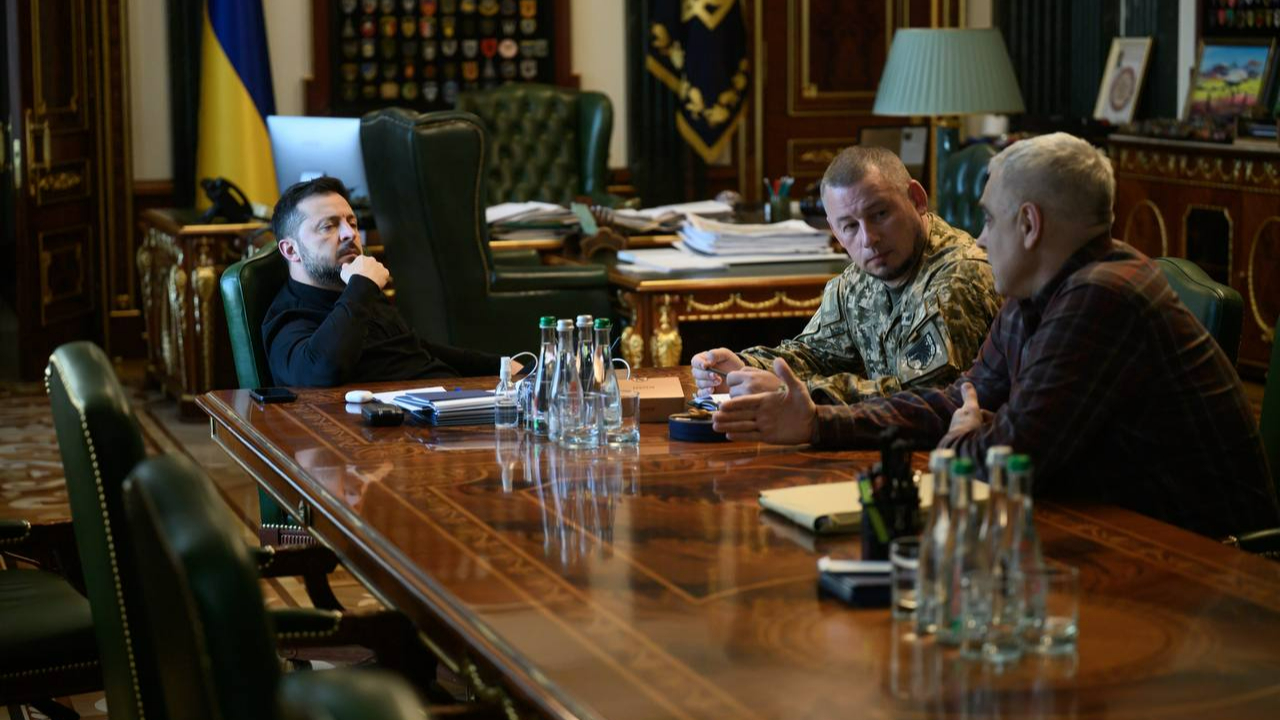
Zelenskyy: We are preparing our responses to this wave of Russian escalation
DEVELOPINGUkrainska Pravda9h ago
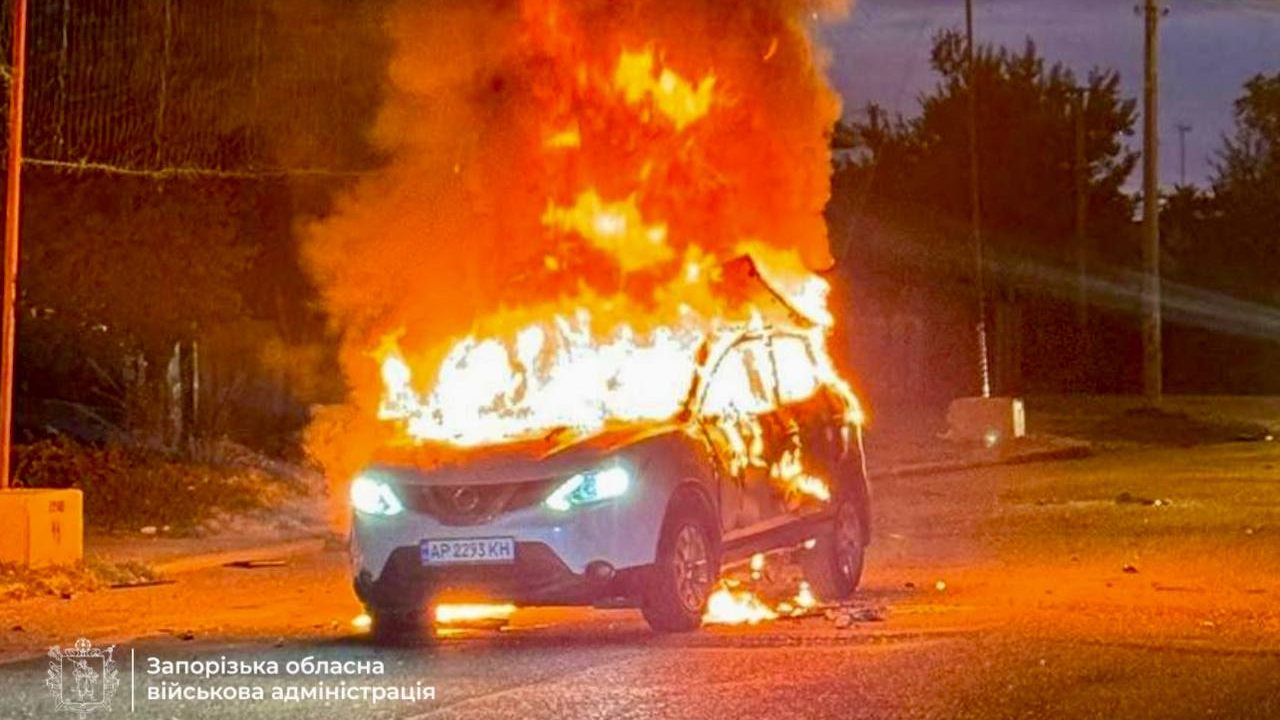
Russian attack on Zaporizhzhia kills driver and injures three adults and two children
DEVELOPINGUkrainska Pravda9h ago
Ukrainian Foreign Ministry on recall of South Korean ambassador: Ukraine is open to resuming dialogue
DEVELOPINGUkrainska Pravda9h ago
European Council president invites Zelenskyy to EU leaders' summit
DEVELOPINGUkrainska Pravda10h ago