naharnet.com
centerREPORTAoun and Salam discuss preparations for new round of Israel talks
Full BriefGenerated 8d ago
What Happened
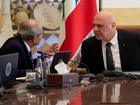
Lebanese President Joseph Aoun and Prime Minister Nawaf Salam met on June 17 to prepare for the fifth round of direct talks with Israel, scheduled to resume on June 22 in Washington. The discussions follow the announcement of a U.S.–Iran memorandum of understanding that includes Lebanon. Aoun and Salam view the deal as 'a positive factor in reducing the regional tensions and pushing towards peaceful solutions,' according to a statement from the president's office. They reiterated Lebanon's goals: a permanent ceasefire, withdrawal of Israeli forces from occupied lands, deployment of the Lebanese Army to the international border, return of Lebanese prisoners, and reconstruction.
Iranian Foreign Minister Abbas Araghchi stated that an end to the conflict would be incomplete without the withdrawal of Israeli forces from Lebanese territory occupied during the war, and that any future Israeli attack or continued occupation would violate the memorandum. Hezbollah, which entered the conflict on March 2 with rocket fire avenging the killing of Iran's supreme leader in U.S.–Israeli strikes, thanked Iran for insisting on Lebanon's inclusion in the deal. However, the group repeated its demand that Lebanese authorities abandon direct talks with Israel and disarmament discussions. Lebanon claims Israeli attacks since March 2 have killed over 3,700 people and displaced more than one million. Hostilities between Hezbollah and Israel have declined significantly since the Iran–U.S. deal announcement.
Key Actors
- ·Joseph Aoun(President of Lebanon)Supports the U.S.–Iran memorandum as a positive factor and is preparing for the June 22 talks, seeking a permanent ceasefire and Israeli withdrawal.
- ·Nawaf Salam(Prime Minister of Lebanon)Alongside Aoun, views the deal as easing regional tensions and is engaged in preparations for the Washington talks with the same objectives.
- ·Abbas Araghchi(Iranian Foreign Minister)Warns that continued Israeli occupation of Lebanese territory or future attacks would violate the U.S.–Iran memorandum.
- ·Hezbollah(Lebanese militant group and Iranian proxy)Thanks Iran for including Lebanon in the deal but insists that authorities abandon direct talks with Israel, rejecting disarmament while acknowledging a decline in hostilities.
Why It Matters
The U.S.–Iran peace deal reshuffles Lebanon's conflict dynamics, potentially decoupling the Israel–Hezbollah front from the broader regional war. While the Lebanese state pursues a negotiated settlement through direct talks, Hezbollah's rejection of that channel and its call for reliance on Tehran underscore the group's continued veto power over state policy. Iran's explicit framing of any Israeli presence in Lebanon as a violation of the deal signals that enforcement will be contested, especially since the memorandum’s details reportedly do not mandate an Israeli withdrawal. The stakes are high: over 3,700 reported deaths, mass displacement, and a fragile reduction in violence hang on whether diplomacy can overcome entrenched positions.
Watch For
The fifth round of Washington talks on June 22 will test whether Lebanon’s unified stance can be maintained against Hezbollah’s demand to abandon direct negotiations. Also monitor whether the U.S.–Iran memorandum leads to concrete Israeli withdrawals from Lebanese territory, as neither side has respected previous ceasefire announcements. Any Israeli military action or retention of occupied areas will be treated by Iran as a breach, risking renewed hostilities. Additionally, watch for Hezbollah’s reaction to government disarmament efforts, which it has rejected.
Generated 8d ago · Based on full articleAuto-Compiled
This page aggregates and summarizes reporting from naharnet.com. The Conflict Pulse does not author original reporting. Read the original source for full coverage.
CONFLICT OVERVIEW
Iran
Latest verified updates on Iran’s regional confrontation, U.S.–Israeli strikes, missile retaliation, proxy networks, sanctions, and Strait of Hormuz risks.
SOURCE PERSPECTIVES
How outlets across the bias spectrum are covering this conflict.
LATEST FROM IRAN